Are Winter Weddings Cheaper in Montana? What You'll Actually Save (And What You Won't)
Winter weddings in Montana can save you serious money on venue fees and vendor availability, but the actual discount varies wildly by vendor type. After working over 500 Montana weddings in every season, we're breaking down exactly where you'll save and where you won't.
The short answer? Yes, winter weddings in Montana are typically cheaper, but not universally across all vendors and venues. Some places drop their rates by 40% between November and March. Others don't budge a dollar. The difference depends on the type of vendor, the specific venue, and how flexible you're willing to be with dates.
We've provided entertainment for winter weddings at Chico Hot Springs, Big Sky Resort, and remote lodges where the only access was a snowmobile trail. We've seen couples save $8,000 on their total budget by choosing February over July. We've also seen couples spend more because of heating costs, travel complications, and last-minute vendor changes when roads closed unexpectedly.
Let's break down the real numbers based on what we've seen working Montana weddings year-round since we started.
What Montana Venues Actually Charge in Winter
Venue pricing varies more than any other category. Some properties see winter as their off-season and price accordingly. Others operate year-round at consistent rates because they've built their business around ski season traffic or hot springs visitors who come regardless of weather.
Big Sky Resort, for example, doesn't really have an off-season. Winter is peak ski season, so wedding rates stay pretty consistent. You're competing with destination skiers who'll pay premium prices for mountain access. Same story at Whitefish Mountain Resort. If you're looking at a December or January date there, don't expect significant savings just because it's cold outside.
On the flip side, properties like Rainbow Ranch and Flathead Lake Lodge typically offer 20-35% discounts for November through April weddings. These venues built their reputation around summer mountain experiences. When snow covers the ground and outdoor ceremony sites become inaccessible, they'd rather book weddings at reduced rates than leave the calendar empty.
Double Arrow Lodge and Holland Lake Lodge follow similar patterns. Their summer months book solid at full price. Winter weddings happen, but they're usually willing to negotiate because demand drops significantly once the aspens lose their leaves.
The Loft at Whitefish sits somewhere in the middle. It's an indoor space that works identically in any season, so their pricing stays relatively stable. You might see a 10-15% discount for off-peak months, but nothing dramatic.
One couple we worked with at Chico Hot Springs got married on a Tuesday in February. The venue gave them 30% off the rental fee, which translated to about $2,400 in savings. They used that money to upgrade their bar package and extend the reception by an hour. The hot springs pools were actually more appealing in winter—nothing beats soaking in 103-degree water when it's 15 degrees outside and snow is falling around you.
Catering and Bar Service: Where Prices Drop Most
Caterers often discount their services during slow months because they're trying to keep their staff employed and kitchens operational. The restaurant industry struggles with seasonal cash flow, and wedding catering helps smooth out the revenue gaps.
We've seen caterers offer 15-25% off their per-plate pricing for January through March weddings. That's real money when you're feeding 120 people. A $75 per person dinner becomes $60, saving you $1,800 right there.
Bar service follows the same logic. Mobile bartending companies want to keep their teams working. If discounting winter weddings by 20% means their bartenders stay on payroll instead of taking temporary jobs elsewhere, they'll do it.
The catch? Selection shrinks. Some caterers simply don't operate November through March. They close up, and their staff takes other work or travels. If you're planning a winter wedding, you need to start vendor research earlier than you'd think because your options are more limited. Check out our thoughts on [booking timelines](/how-far-in-advance-should-i-book-wedding-dj) to understand how early you should really start.
What We Charge for Winter Weddings (And Why)
Here's where we're going to be completely transparent. Our pricing doesn't change based on season. A February wedding costs the same as a July wedding for several reasons.
First, our costs don't decrease in winter. We're still loading the same equipment, driving the same distances (often in worse conditions), and spending the same amount of time on planning and setup. If anything, winter weddings require more prep time because we're accounting for weather contingencies and backup plans.
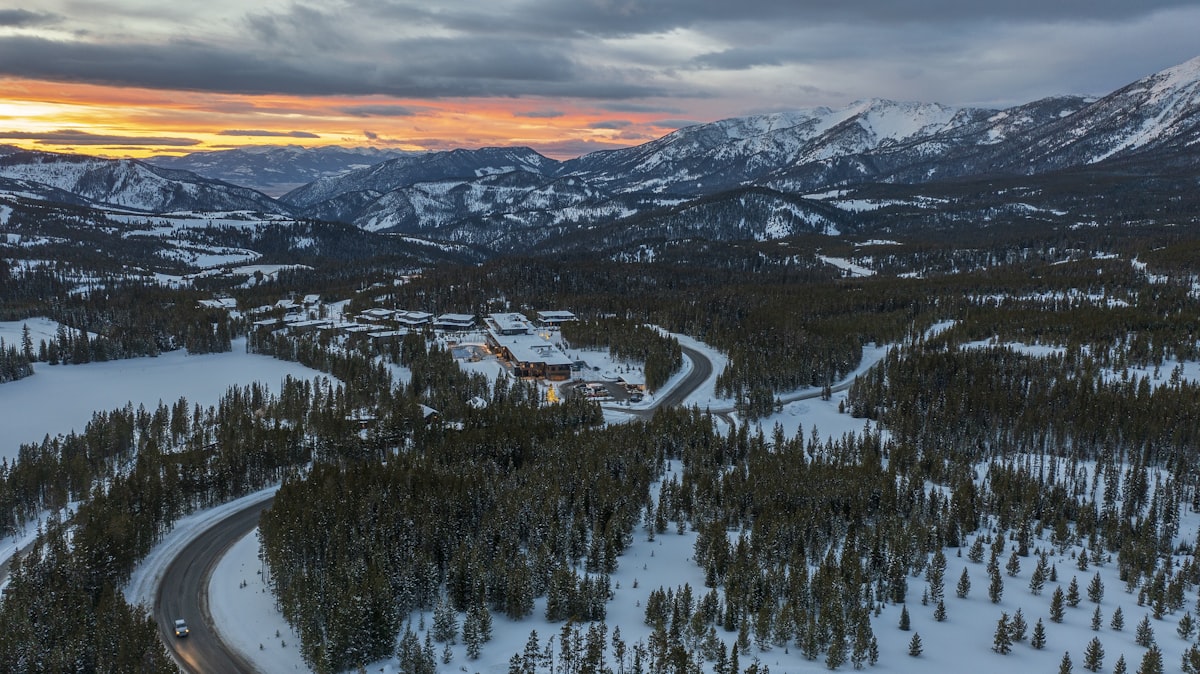
Second, winter wedding travel is riskier and harder. We've driven through blizzards to reach venues. We've chained up tires at 2 AM to make it to Clearwater Springs when an unexpected storm hit. We once spent an extra four hours on what should've been a 90-minute drive because I-90 closed and we had to reroute through back roads. That's not something we can discount away.
Third, quality doesn't change with temperature. You're getting the same [professional DJ service](/what-does-a-wedding-dj-actually-do), the same equipment, the same experience we bring to peak season weddings. We're not a ski resort trying to fill empty rooms.
That said, winter date availability is significantly better. If you're looking six months out for a July wedding, we're probably already booked. Six months out for a February wedding? We likely have multiple dates available. That flexibility has value, especially if you're trying to [book on a shorter timeline](/can-i-find-good-dj-wedding-6-months-less).
Many DJs and entertainment companies do discount winter services. You'll find some offering 10-20% off for off-season dates. Just make sure you're comparing the actual service level, not just the price. Some companies use winter discounts to fill their calendar with less experienced team members while their A-team focuses on peak season.
Florals, Photography, and Other Vendors
Photographers tend to offer modest winter discounts, usually 10-15%. Like us, their work doesn't fundamentally change with the season. They're still shooting the same number of hours, editing the same number of photos. But winter is slower for most wedding photographers, so they're motivated to book dates rather than leave weekends empty.
Florists face a different challenge. Winter flowers cost more to source because they're often shipped from warmer climates or grown in greenhouses. You might save 10% on labor and service fees, but the actual flower costs could be higher depending on what you want. If you're flexible and choose winter-appropriate flowers (think amaryllis, evergreens, and berries instead of peonies and garden roses), you can keep costs reasonable.
Hair and makeup artists usually don't discount much, maybe 5-10% if they're trying to maintain cash flow during slow months. Planners and coordinators are similar. Their time is their product, and it takes the same amount of effort to plan a February wedding as an August one.
Rental companies for [uplighting](/can-i-add-uplighting-to-my-dj-package), linens, tables, and chairs typically maintain consistent pricing. Their inventory sits in a warehouse regardless of season, so they don't have the same incentive to discount that venues do.
The Hidden Costs That Offset Winter Savings
Here's what couples don't always consider: winter weddings come with extra costs that can eat into your venue and vendor savings.
Heating is the big one. If you're renting a barn or outdoor-accessible venue, you'll need serious heat. We worked a wedding at a barn venue outside Whitefish in January where the couple spent $1,200 on propane heaters just to keep the space comfortable. That wasn't a venue expense—that was on them.
Weather backup plans cost money. You need that tent with sidewalls and heaters, even if you're hoping for a ceremony outside. You can't chance it. That's another $800-$2,000 depending on size and how much heating you need.
Guest accommodations can get pricier. If you're getting married at Big Sky Resort during ski season, hotel rooms aren't cheap. Your summer wedding at a guest ranch might've had affordable lodging options. Your winter wedding at a ski resort during Presidents Day weekend? You're paying peak ski season rates.
Travel complications mean some vendors charge [mileage and travel fees](/do-wedding-djs-charge-travel-mileage-fees) they wouldn't charge in summer. We don't, but some do. When roads are questionable and drive times are unpredictable, vendors factor that risk into their pricing.
We worked a wedding at Clearwater Springs one December where the generator—their backup power source—wouldn't start 10 minutes before the ceremony was supposed to begin. It was 8 degrees outside. The generator fuel had gelled. We had to wait for the venue staff to run into town for fuel additives while 80 guests stood around in their coats. Eventually, everything worked out, but that's the kind of thing that doesn't happen in July.
Best Montana Winter Wedding Venues for Value
If you're specifically choosing winter to save money, some venues offer better value than others.
Chico Hot Springs is probably your best winter wedding value in Montana. It's a year-round resort, so everything functions normally in winter. The hot springs are actually better in cold weather. They offer solid off-season discounts. And it's a proven winter venue—they know how to handle snow, cold, and all the logistics that come with it. The only caveat? Power has gone out there twice during events we've worked. They handle it well with generators, but it's something to be aware of. If you're considering a destination wedding at a hot springs property, our [complete guide](/how-do-i-plan-a-destination-wedding-in-montana) covers what out-of-state guests need to know.
Holland Lake Lodge and Double Arrow Lodge both offer significant winter discounts and have indoor backup options that work well. They're more remote, which means [cell service can be spotty](/handle-cell-service-gaps-remote-montana-wedding-venues), but they're set up to host winter events.
Big Sky Resort and Whitefish Mountain Resort don't really discount, but they offer different value: you're getting a full winter mountain experience. Your guests can ski. The scenery is incredible. It's a true destination wedding that happens to take place when it's cold. If that's your vision, the lack of discount doesn't really matter.
Indoor Missoula and Bozeman venues like The Loft at Whitefish maintain pretty stable pricing but offer the advantage of zero weather risk. You're not paying for tent heaters or worrying about road closures. That predictability has its own value. We've outlined more about [Missoula](/missoula-wedding-dj) and [Bozeman](/bozeman-wedding-dj-guide) specific venue considerations if you're focusing on those areas.
Should You Actually Book a Winter Wedding to Save Money?
It depends on why you're doing it.
If you're choosing winter specifically to save $5,000-$8,000 on your total wedding budget, it can absolutely work. You'll save the most on venue fees, catering, and accommodation if you avoid ski resort areas. Book a Tuesday or Wednesday in February at a summer-focused venue, and you'll see real discounts.
But if you're choosing winter because you genuinely love the idea of a snow-covered Montana wedding with hot toddies and cozy fireplaces and a completely different vibe than the typical summer celebration, then the modest savings are just a bonus. The experience is the point.
What doesn't make sense: choosing winter purely for budget reasons and then trying to recreate a summer wedding aesthetic in February. You'll spend all your savings on heaters, weather contingencies, and fighting against the season instead of embracing it.
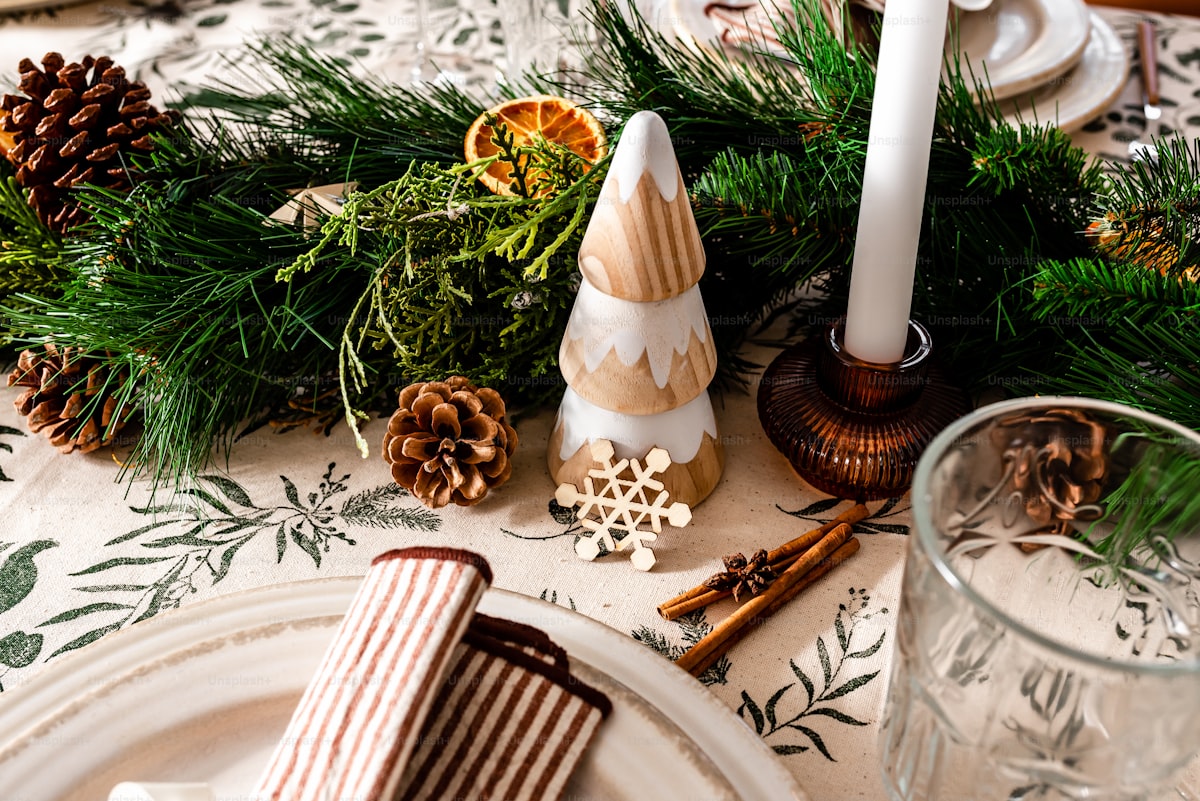
We worked with a couple at Rainbow Ranch who got married the first weekend of December. They saved about $3,200 on venue fees and another $1,800 on catering discounts. They used that money to rent a shuttle service so guests didn't have to drive snowy roads after the reception, and they upgraded to a premium bar package with Montana craft spirits. The wedding felt intentionally wintery—[rustic Montana decor](/what-are-rustic-montana-wedding-decor-and-entertainment-ideas) with evergreen garlands, candles everywhere, a hot chocolate bar, and a playlist that leaned into the cozy vibe. It worked because they leaned into the season rather than fighting it.
The other consideration: what's your backup plan tolerance? Summer weddings need [weather contingencies](/what-backup-plans-do-i-need-for-weather-at-montana-outdoor-wedding) too, but winter weather is less predictable and potentially more disruptive. We've had winter weddings where half the guests couldn't make it because the pass closed. We've had vendors cancel last-minute because they couldn't safely travel. If that possibility stresses you out more than it excites you, winter might not be your season regardless of the savings.
One more thing to keep in mind: vendor availability is your friend in winter. We mentioned this earlier, but it's worth emphasizing. That photographer you loved who's booked solid for two years of summer weekends? They might have February dates open. Your dream venue that's impossible to book in July? January might be wide open. Sometimes the ability to book exactly who and what you want is worth more than a 20% discount on vendors you're less excited about.
Real Talk on Winter Wedding Budgeting
If you're seriously considering a winter wedding to reduce costs, here's how to approach your budget:
Start by getting actual quotes for both summer and winter dates from your top venue choices. Don't assume—ask specifically what the off-season discount is. Some places don't advertise it but will offer it when asked.
Factor in the add-on costs we talked about: heating, weather backup, potential travel complications. Get real numbers on propane heaters and tent sidewalls if you're considering any outdoor elements.
Look at your guest list and where people are coming from. If most of your guests are local Montanans who handle winter driving without blinking, that's different than if 80% are flying in from out of state. Winter travel is more expensive and less reliable. Your guests will pay more for flights, and cancellations are more common. Our guide on [what to tell out-of-state guests](/what-should-i-tell-out-of-state-guests-traveling-to-montana-wedding) covers this thoroughly.
Consider the photo situation. Winter light is beautiful but brief. You've got maybe 4-5 hours of good daylight in December and January. That impacts your timeline differently than a July wedding where you have light until 9:30 PM. Talk to your photographer about how that affects their shooting schedule and whether it changes their pricing or package options.
Ask vendors specifically about their experience with winter events. Anyone can say they do winter weddings. But have they actually done them? Do they have backup equipment for cold weather? We've seen iPads and tablets freeze mid-event when they're not properly prepared. Our equipment is rated for extreme temperatures, but not every company thinks about that. The same applies to [sound systems for outdoor ceremonies](/what-sound-system-do-i-need-for-an-outdoor-wedding-ceremony)—cold affects performance.
Get everything in writing about weather cancellation policies. What happens if the venue is accessible but 40% of your guests can't make it because the interstate closed? What about vendor cancellations due to weather? These aren't pleasant conversations, but they're necessary ones for winter events.
Think about your entertainment and activity options. Summer weddings often feature yard games, outdoor cocktail hours, and expansive celebration spaces. Winter weddings are more contained by necessity. That changes the flow and feel of your event. It's not better or worse, just different. Make sure your entertainment plan matches the reality of the space and season. We've worked weddings where couples added [photo booth rentals](/can-i-add-photo-booth-to-my-dj-package) specifically because winter weddings meant guests spent more time indoors and wanted interactive activities.
Finally, talk to your partner about what you're actually optimizing for. If saving $6,000 means you can afford a better honeymoon or put money toward a house, that's a clear win. If saving $6,000 means you're stressed about weather for eight months leading up to your wedding, that's a different calculation. Money is important, but it's not the only variable.
We've done over 500 weddings across Montana in every season imaginable. We've seen couples brilliantly execute winter weddings that saved them money and created an unforgettable experience. We've also seen couples choose winter for budget reasons and then regret it because the limitations and stresses outweighed the savings. The difference usually comes down to expectations and how well you prepare for what winter actually means in Montana.
Whether you're planning a July celebration at Flathead Lake Lodge or a February gathering at Chico Hot Springs, we're here to make sure your entertainment runs perfectly regardless of what the weather does. Our [Glacier package](/what-services-do-montana-wedding-dj-packages-include) remains our most popular choice across all seasons because it includes everything couples need for a complete wedding day: ceremony sound, cocktail music, reception entertainment, and all the planning support to make sure nothing gets overlooked. We've been there when generators failed, when power went out, when weather forced last-minute changes. That experience doesn't go on sale, but it's available any month of the year.
Ready to talk about your Montana wedding, winter or otherwise? Check out our [pricing and package options](/#pricing) and let's start planning. We'd love to hear your vision and help you figure out the timing and budget that makes sense for what you're trying to create.
Montana Wedding Entertainment — wedding DJ, MC, lighting and photo booth across Montana. Call 406-396-8499 or get an instant quote.