How Do I Ensure Adequate Sound at a Remote Montana Venue?
Remote Montana venues are spectacular — and a logistical challenge. Here's how we handle sound, power, and gear at off-grid sites so your reception runs perfectly no matter where you're getting married.
Ten minutes before the ceremony was supposed to start, I was staring at a generator that wouldn't turn over. Remote venue outside Swan Valley. No grid power. A hundred and fifty guests already seated. The bride was in the lodge, ready to walk. And the only thing standing between a beautiful outdoor ceremony and complete silence was a stubborn engine and whatever I had in my tool kit.
We got it running with two minutes to spare. The ceremony started, the vows happened, the first dance was flawless — but nobody in the crowd ever knew how close it got. That's what remote venue work actually looks like. Not the Instagram version where everything is effortless and golden-lit, but the real version where prep work and backup plans are the only things keeping your reception from going dark.
Montana couples are drawn to remote venues for obvious reasons. There's nothing like getting married with the Missions in the background or exchanging vows on a private ranch outside Kalispell with no neighbors for ten miles. But "remote" creates a very specific set of challenges that most couples — and honestly, a lot of vendors — underestimate entirely. Sound is the most complicated one.
Why Remote Venues Break the Rules
At a typical venue — a hotel ballroom, a winery, a country club — power is a given. You plug in, you soundcheck, you play. The infrastructure exists. Remote Montana venues don't operate that way. A lot of the most spectacular locations in this state are working ranches, private clearings, lakeside properties, or historic homesteads where the electrical service was designed for a farmhouse, not a 200-person reception.
What that means in practice: the outlets might not deliver enough amperage for a full PA system. The circuit breakers weren't built for speaker loads. If the caterer, the florist's lighting setup, and the DJ all draw from the same panel, something trips — usually at the worst possible moment. We've seen it happen at Chico Hot Springs, where the venue power went out twice during a 200-person reception. Both times we had backup gear ready. The second time, battery-powered speakers kept the party going while the venue sorted their electrical situation. Without that backup, the dance floor dies and the mood goes with it.
Remote venues often mean generator power entirely — no grid connection at all. That introduces a different set of variables. Generator sizing matters. Fuel supply matters. Startup reliability matters. A generator that's been sitting since last fall may or may not fire up on cue, and "may or may not" isn't an acceptable answer when 150 people are watching you.
The Power Question: What You Need and Why It Matters
Here's something most couples never ask their DJ: "What are your power requirements?" It's a boring logistical question that will absolutely make or break your reception if it gets ignored.
A full wedding DJ setup — mains, subs, monitors, ceremony speakers, lighting rig — can pull anywhere from 15 to 30 amps depending on the gear. That's a significant load. Add in band amplifiers if you have live music, catering equipment, string lighting from the florist, and photo booth hardware, and you can easily exceed what a small generator or older rural electrical panel can deliver.
The right answer starts with communication — and it starts early. Before we commit to any remote venue gig, we ask for the venue's power specs. We want to know available amperage, distance from the power source to the staging area, and whether the venue has a dedicated circuit for entertainment. If the answer is vague or they don't know, that's our cue to plan for self-powered operation. At venues where we know grid power is unreliable or undersized, we bring our own generator and size it specifically for the event load, plus a margin for anything unexpected.
Generator sizing isn't just about raw wattage. You need to account for startup surge loads — motors and amplifiers pull more power when they first kick on than they do at steady state. A generator that can handle your running load might not handle the startup spike. We factor that in every time.
Backup Power: Non-Negotiable in the Montana Backcountry
Every remote gig we do, we bring redundancy. Not because we expect things to go wrong — but because in Montana, the unexpected is just part of the deal.
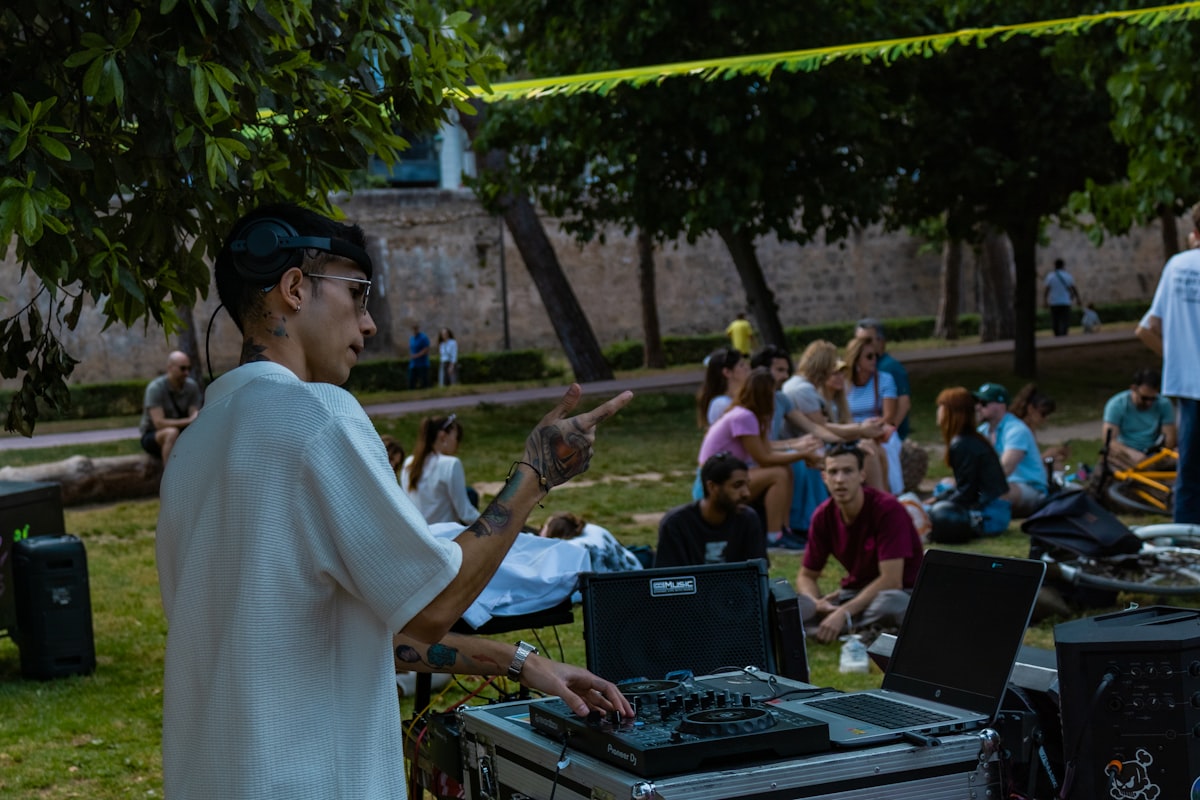
Backup power comes in a few forms. Battery-powered speaker systems have gotten genuinely good in the last few years. We carry units that can run full ceremony audio for three-plus hours on a single charge, which means if the main power solution has a hiccup, we can bridge the gap without skipping a beat. For the reception, we have a portable inverter generator as a secondary power source. It's quieter than a standard construction generator — that matters when it's running 50 feet from where people are eating dinner.
We also carry backup devices. Pre-loaded. Ready to go. Not cloud-dependent, not waiting for a streaming service to buffer. If the primary laptop overheats in a 100-degree Montana summer (which has happened — we watched it thermal throttle mid-set until it was skipping tracks), the backup is live in under 60 seconds.
The 100-degree heat situation was a turning point for how we set up at outdoor summer weddings. Now the DJ booth always has a shade canopy specifically for the equipment. Not for us — for the gear. Direct sun on electronics in a Montana July is a real threat, and most couples don't think about it when they're planning a beautiful outdoor afternoon reception. We do.
Sound Equipment Choices for Remote Sites
Not all speaker systems are built for outdoor and remote performance. A setup that sounds incredible in a ballroom with four walls and a ceiling bouncing sound around is going to feel thin and underpowered in an open field with no acoustic reflections at all.
Outdoor audio requires more headroom. More low-end reinforcement to compensate for the absence of room gain. And speaker placement strategy changes completely — you can't point everything at one wall and let it bounce. Wide coverage patterns, elevated speaker positions, and sometimes distributed speaker arrays across the space are all tools we use depending on the site layout.
At mountain venues with any kind of wind, directional control matters too. A speaker aimed into a crosswind loses volume fast. We orient and angle our rigs to work with the typical wind direction at each venue. At some locations we know well — like outdoor setups near Seeley Lake where afternoon wind is basically guaranteed — we've already pre-planned our speaker geometry before we even load in.
Cable runs also change at remote venues. A standard venue has short distances between the power source and the setup area. Remote sites often mean long runs — 50, 75, even 100+ feet from the generator to the stage, and separate long runs to ceremony speakers or distributed floor monitors. Long cable runs require proper gauge cable and sometimes signal boosters to avoid hum, degradation, or ground loop noise. These are technical details that matter a lot and most couples will never see, but they hear the results either way.
Cell Service, Streaming, and the Swan Valley Problem
A lot of people don't think about cell service until they're standing in a field with no signal and zero options. We think about it constantly.
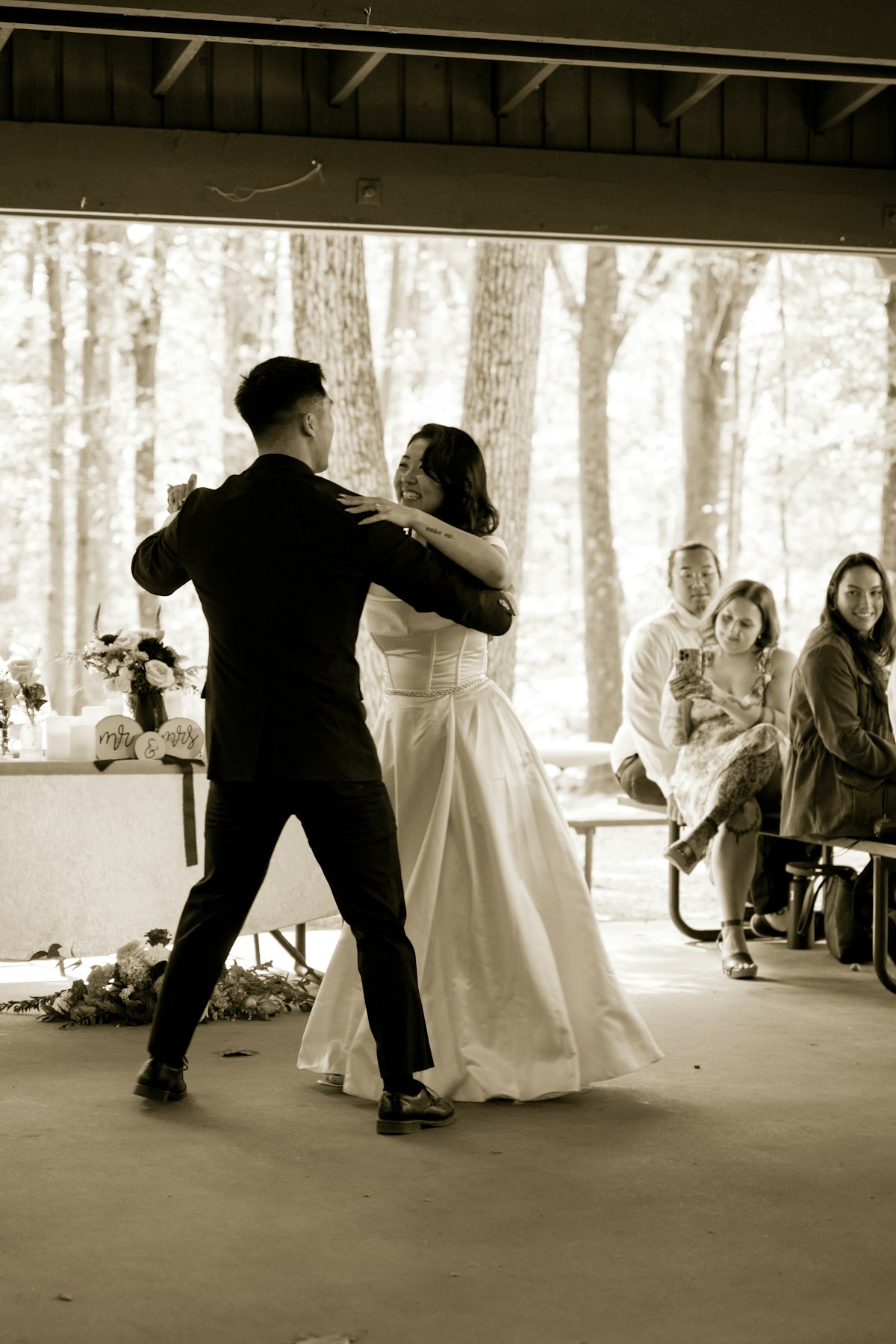
We did a wedding at a venue in the Swan Valley with absolutely no cell service. Zero bars, no data, nothing. That venue is spectacular — you'd understand immediately why someone would want to get married there — but it meant we couldn't stream a single track from the cloud, couldn't receive last-minute song requests by text, couldn't look up a song we didn't have pre-loaded. Everything had to exist locally on our devices before we pulled off the main road. We learned that lesson the hard way at a different remote venue a couple years before the Swan Valley wedding. Once is a lesson. Twice means a permanent policy change.
Our policy now: every library, every playlist, every requested song gets downloaded locally before any remote gig. We don't assume connectivity. We assume we'll have none. That mindset shift means we're never caught flat-footed when the signal disappears the moment we turn off the highway.
Couples booking remote venues should ask their DJ a direct question: "Do you download everything locally, or do you stream?" The answer tells you a lot about their experience with Montana venues specifically. Someone who's only done city hotels may not have thought through what happens when the internet just isn't there.
Load-In Logistics at Remote Venues
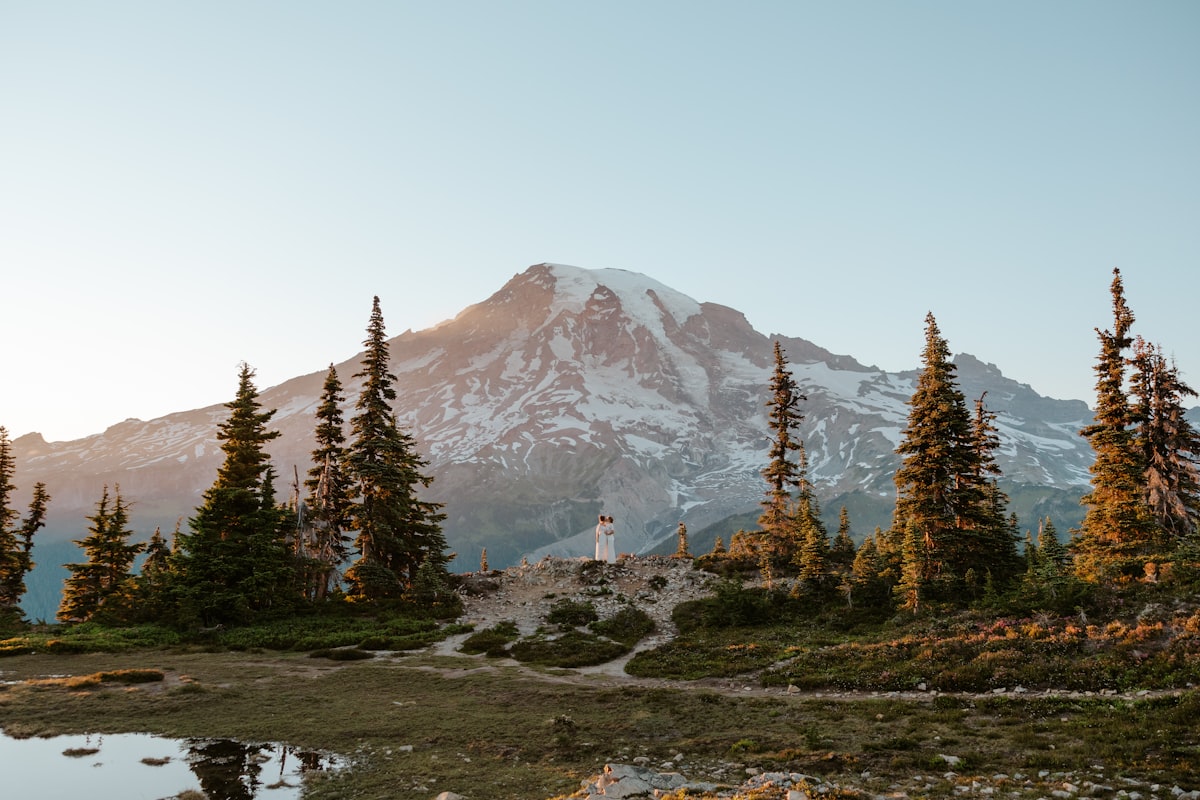
There's a barn venue outside Whitefish we've worked multiple times. Beautiful property — exactly the kind of place that photographs like a dream. It also has no power outlets in the event space, a gravel parking lot, and a 200-yard carry from the truck to the setup area. That's three trips with a fully loaded hand cart, over uneven ground, before a single speaker is even in position.
Remote venue load-in can take two to three times as long as a standard venue. Ground conditions vary — gravel, grass, uneven terrain, muddy fields after a rain. Elevation changes between the parking area and the setup location are common at mountain sites. Some venues require a two-person crew just for load-in logistics.
Why does this matter to you as a couple? Because it affects your timeline. If your DJ quotes you a two-hour setup window based on their experience with hotel ballrooms, and they show up to your remote ranch wedding with that same expectation, something gets rushed. Soundcheck gets abbreviated. Backup systems don't get tested. The gear that needed to be positioned just right gets placed wherever there's time for it to go.
When we work remote sites, we build longer setup windows into the contract and arrive earlier than we would at a standard venue. Sometimes significantly earlier. We'd rather sit and wait for the event to start than be rushing the final cable runs when the caterer is lighting the candles.
Weather at Remote Montana Sites
Montana weather is unpredictable in a way that most weather is not. We've had outdoor ceremonies start under perfect blue sky and end in golf-ball hail — barely three minutes between "this is beautiful" and "everyone get inside." At a remote venue, there's no building a few steps away. Getting 150 guests and several thousand dollars of electronics under cover in three minutes is a very different problem at an open meadow ranch than it is at a resort property with a covered event space adjacent.
Heat is the sneaky one. People picture Montana as cool and pleasant, and a lot of it is — until July in the Bitterroot Valley at two in the afternoon. Electronics have thermal limits. iPads shut off in direct sun. Laptops throttle down. Subwoofer enclosures absorb heat and can affect component performance. We set up shade specifically for equipment at summer weddings. It's not glamorous, but it protects gear that would otherwise be unreliable by mid-afternoon.
Wind affects sound quality in ways most people don't expect. It scatters high frequencies, adds background noise that competes with music and speech, and can physically move lightweight speaker stands if they're not ballasted correctly. At our remote outdoor setups, speaker stands always get sand bags. Every time. The wind at outdoor venues near Big Sky Resort took down an arch from a different vendor at a wedding where we were working nearby — their hardware wasn't secured, ours was.

What to Ask Your DJ Before Booking a Remote Venue
Most couples don't know what questions to ask. That's not a criticism — why would you know the logistics of generator sizing and cable run management unless you've had to think about it? But a few specific questions will tell you quickly whether your DJ has real remote venue experience or is figuring it out as they go.
Ask them: Have you worked this specific venue, or a similar type of location? What's your power plan if the venue's grid power fails or is insufficient? Do you carry backup speakers and a secondary power source? How do you handle song requests when there's no cell service? What's your setup timeline for a remote venue compared to a standard one?
The answers should be specific and confident. "We've handled similar situations" is fine if they can describe what similar means. Vague assurances aren't. If their backup plan is "we'll figure it out," that's not a backup plan — that's a hope.
We've done hundreds of remote and semi-remote weddings across Montana — from private ranches outside Darby to lakeside properties on Flathead to venues in the Paradise Valley with no cell service and a single 30-amp outlet to work with. The experience shows. Not in what goes perfectly, but in what never becomes visible to your guests because we handled it before the ceremony started.
Why Remote Weddings Are Some of Our Favorites
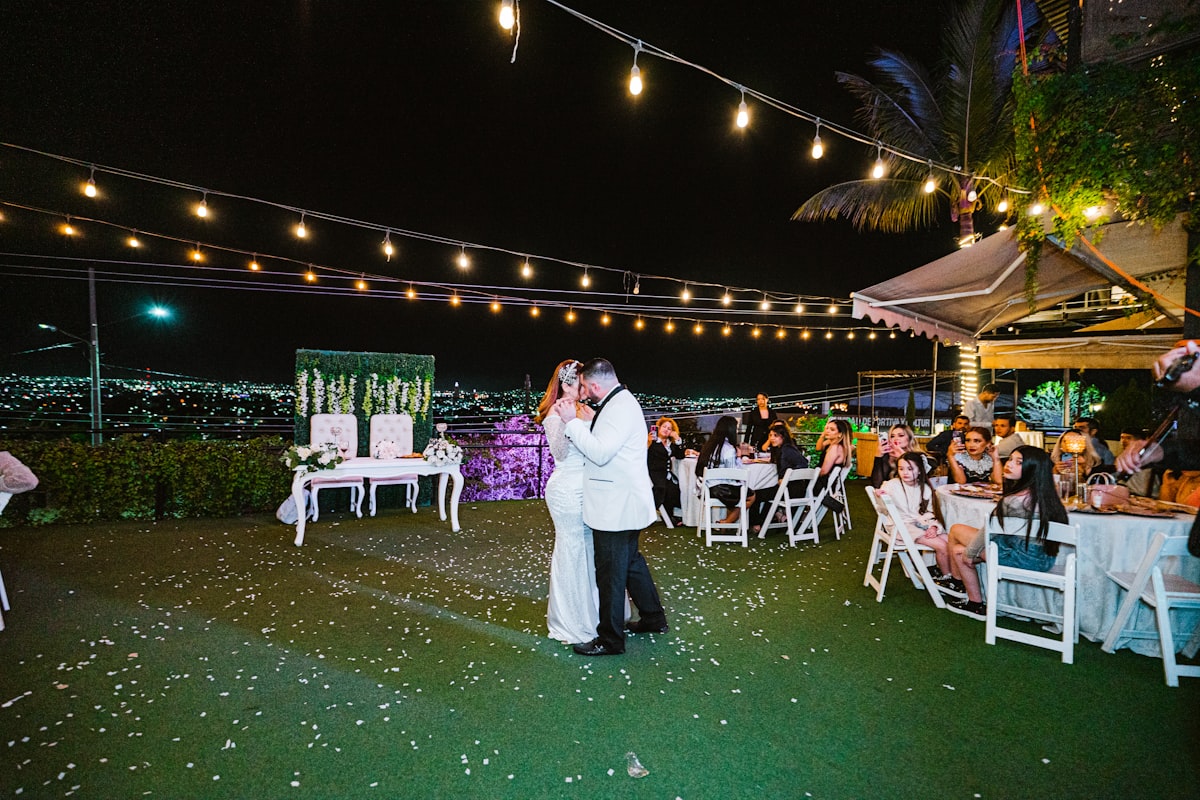
For everything we've described — the logistics, the power planning, the weather variables, the load-in challenges — remote Montana weddings are genuinely some of the most memorable events we do. There's something about a reception at a place that required effort to reach that changes the energy. Guests feel it. The couple feels it.
We've had crowd-surfing at a remote ranch reception. Firework send-offs synced to the final song under a Montana sky with no city lights for miles. A golden retriever carrying the rings down the aisle at a property outside Whitefish that took 45 minutes off the highway to reach. These moments happen at all kinds of venues, but there's a particular magic at the ones that feel truly off the beaten path.
The chaos we manage — the generator that almost didn't start, the heat that killed the tablet, the wind that tested the equipment — none of that is visible to the people celebrating. That's the point. You're not paying a professional DJ to show up and press play. You're paying for the preparation, the problem-solving, the experience with the specific challenges of Montana backcountry venues. When it all works, it looks effortless. We're fine with that. The dancing crowd is all the feedback we need.
If you're planning a wedding at a remote venue in Montana, we'd love to talk through the logistics with you. The more details you can share about the location, the earlier we can start planning the power and equipment solution that makes your reception run exactly the way you imagined. Check out our packages here — or get in touch directly and we'll walk through your venue together.
Montana Wedding Entertainment — wedding DJ, MC, lighting and photo booth across Montana. Call 406-396-8499 or get an instant quote.