What Does a Wedding DJ Actually Do? (Way More Than Play Music)
Think a wedding DJ just shows up and presses play? After 500+ weddings, here's everything that actually happens behind the scenes to make your day run smoothly.
The 75 Hours Nobody Sees
Your wedding reception is five hours. Maybe six. Your DJ is there for eight including setup and teardown. But the real work? That happens in the 75 hours before your day even starts.
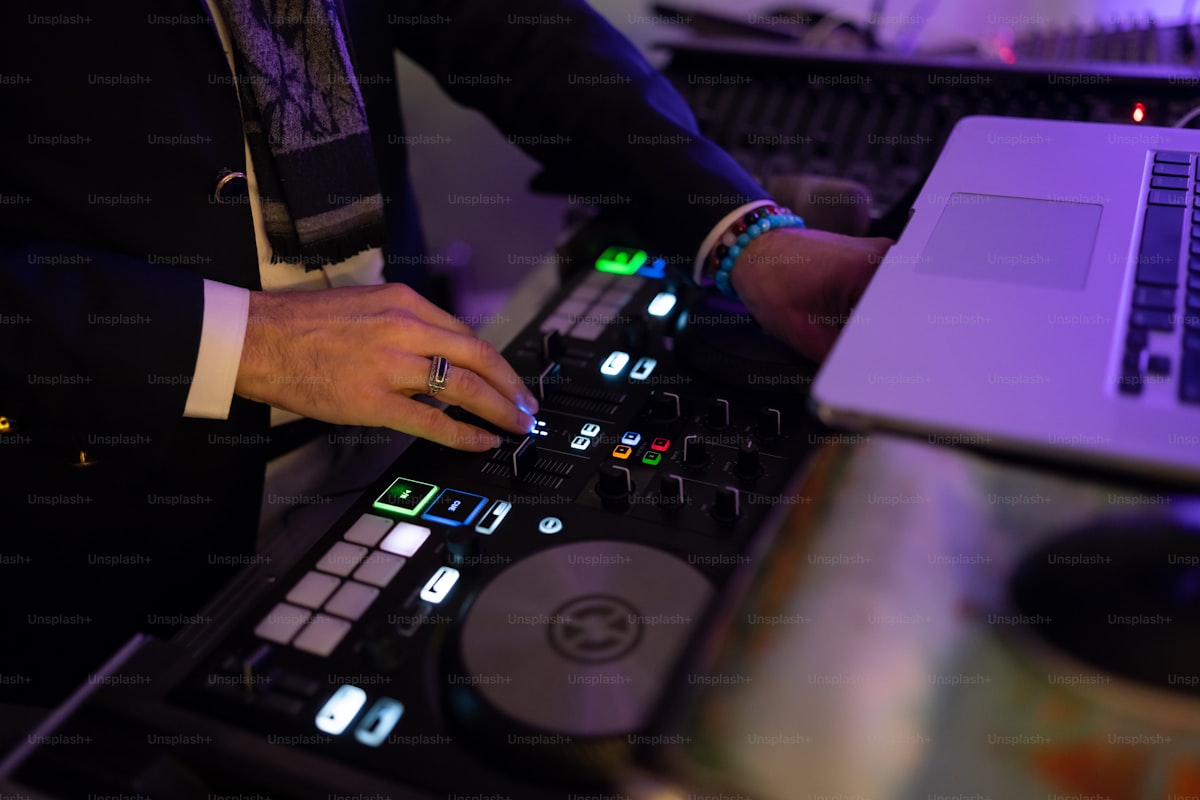
Questionnaires. Playlist reviews. Venue walkthroughs. Timeline coordination with your photographer and caterer. Equipment testing. Backup planning. Loading the truck. That's what a wedding DJ actually does—and it starts weeks before you walk down the aisle.
Pre-Wedding Prep: The Invisible Foundation
Two months before your wedding, we send a detailed questionnaire. Music preferences. Must-play songs. Absolute never-play songs. The vibe you want for each part of the day. Your wedding party names and how to pronounce them. Special dedications. First dance details. Parent dance songs.
Then we build the framework. Not a rigid playlist—a flexible structure that guides the night while leaving room to read the room. We review it. We revise it. One bride changed her must-play list six times in the final week, including twice on the wedding day itself. We rolled with every change.
Day-Of Setup: 3-4 Hours Before Guests Arrive
We show up 3-4 hours before your ceremony. Sometimes earlier for complex venues. The setup includes: running cables (and taping every single one down so nobody trips), positioning speakers for optimal coverage, setting up the ceremony sound system separately from the reception system, testing wireless microphones, calibrating the EQ for the specific room acoustics, and staging backup equipment.
At a barn outside Whitefish with no power outlets and a gravel parking lot, setup meant three trips with a hand cart carrying speakers, stands, cables, a mixer, lighting, and backup gear across 200 yards. That's the job.
Running the Ceremony
The ceremony is the most pressure-packed part. Microphone for the officiant. Music cues for the processional—each bridesmaid, the flower girl, the bride. We coordinated a horse-and-buggy entrance once. The timing for that is completely different from a normal walk down the aisle.
A golden retriever carried the rings down the aisle at one ceremony. The dog got more cheers than the wedding party. We had to time the music cue for an animal that doesn't follow a rehearsal script.
Then the vow microphones. Then the recessional music. Then the transition to cocktail hour—different speakers, different vibe, different volume. All within minutes.
Cocktail Hour: Background Music That's Not Background
Cocktail hour seems simple. Play chill music while people drink and eat appetizers. But the DJ is using this time to: finalize the reception setup, coordinate with the caterer on dinner timing, check in with the photographer about sunset photos, verify the toast order with the best man and maid of honor, and test the reception sound system one final time.
The music during cocktail hour sets expectations for the rest of the night. Too loud and people can't talk. Too soft and the energy feels flat. Getting this right is an underrated skill.
Reception: The Timeline Conductor
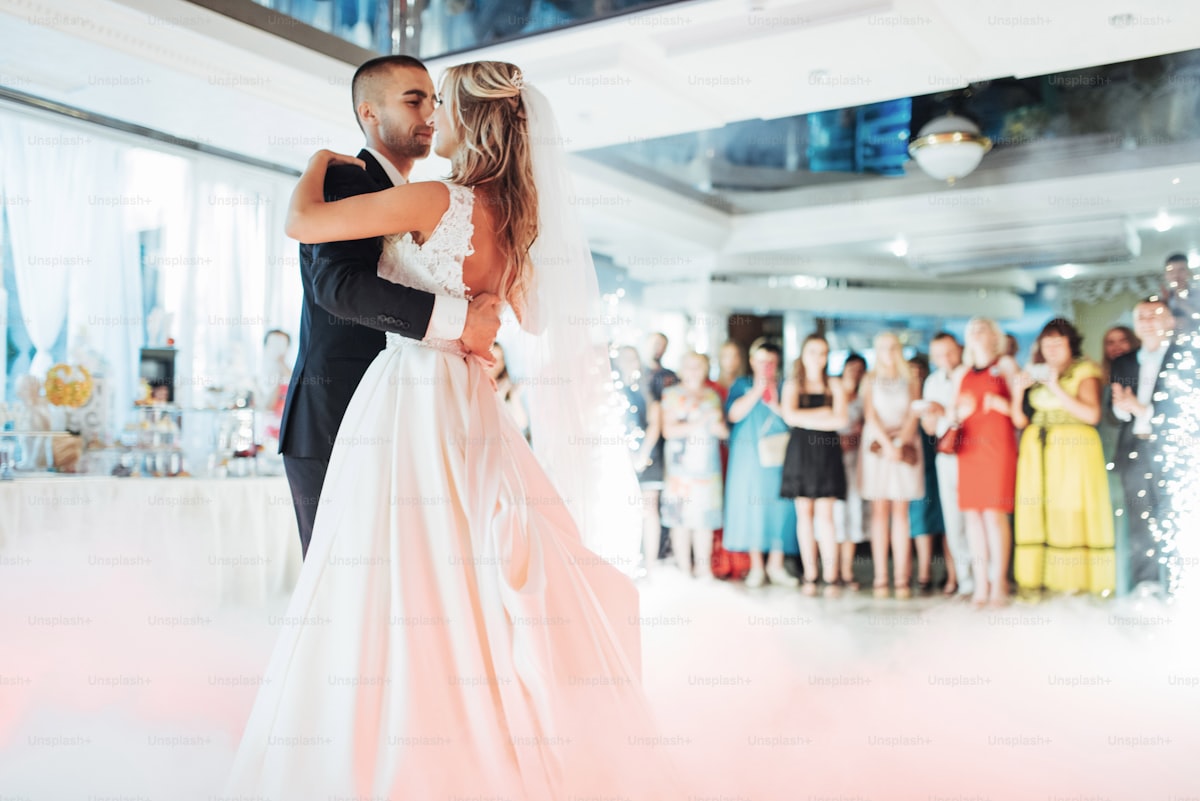
This is where most people think the DJ "just plays music." Wrong. The reception DJ is the timeline conductor. Grand entrance introductions—saying every name correctly, with energy that matches the couple. First dance. Parent dances. Toasts (managing the microphone, volume, timing). Dinner music. The transition from dinner to dancing. Special dances. Bouquet toss. Garter toss. Last dance. Send-off.
Between all of those, we're reading the room constantly. If the dance floor empties, we adjust within 30 seconds. If a song kills, we ride that energy. If a guest is getting too rowdy near the DJ booth—and this happens more than you'd think at open-bar weddings—we manage the situation without making a scene.
Reading the Room in Real Time
This is the skill that can't be taught from a manual. It comes from doing 500+ weddings and watching what works.
A groom crowd-surfed to "Mr. Brightside" at one of our receptions. Not planned. The energy just built to that level because we'd been reading the crowd for two hours. That doesn't happen with a predetermined playlist.
We also manage the opposite: the wedding where half the family doesn't dance. Where the energy is quieter. Where the couple wants conversation and connection more than a rave. A good DJ adjusts for that without being told.
The Teardown Nobody Sees
After the last song, after the send-off, after the couple leaves—we're still working. Breaking down speakers. Coiling cables. Loading the truck. Cleaning up the DJ area. This takes 45 minutes to an hour. At some remote venues, we're loading out in the dark with headlamps.
We've been stung by bees during setup. We've dealt with bears near the reception tent. We've worked through 100-degree heat that killed our iPad mid-set. The teardown is the least glamorous part of the job, but it's part of the deal.
That's What a Wedding DJ Actually Does
Music is maybe 30% of the job. The other 70% is logistics, coordination, problem-solving, crowd management, and showing up prepared for anything Montana can throw at you.
See what this level of service costs or talk to us about your wedding.
Montana Wedding Entertainment — wedding DJ, MC, lighting and photo booth across Montana. Call 406-396-8499 or get an instant quote.