How Do Weather Conditions Affect Outdoor Wedding Sound Systems?
Montana weather can dramatically impact outdoor wedding sound systems. Understanding how rain, wind, temperature, and other conditions affect audio equipment helps ensure your celebration sounds perfect regardless of what Mother Nature brings.
Montana's unpredictable weather creates unique challenges for outdoor wedding sound systems. Over our 500+ weddings, we've learned that proper planning for weather conditions makes the difference between flawless audio and potential disaster. Understanding how different weather elements affect sound equipment helps couples and vendors prepare for any scenario Mother Nature might deliver on your special day.
Rain and Moisture: The Silent Equipment Killer
Moisture presents the greatest threat to outdoor audio equipment. Even light drizzle can damage sensitive electronics, while heavy rain can destroy thousands of dollars of gear in minutes. Professional sound systems contain delicate components that short-circuit when exposed to water, creating safety hazards and complete audio failure.
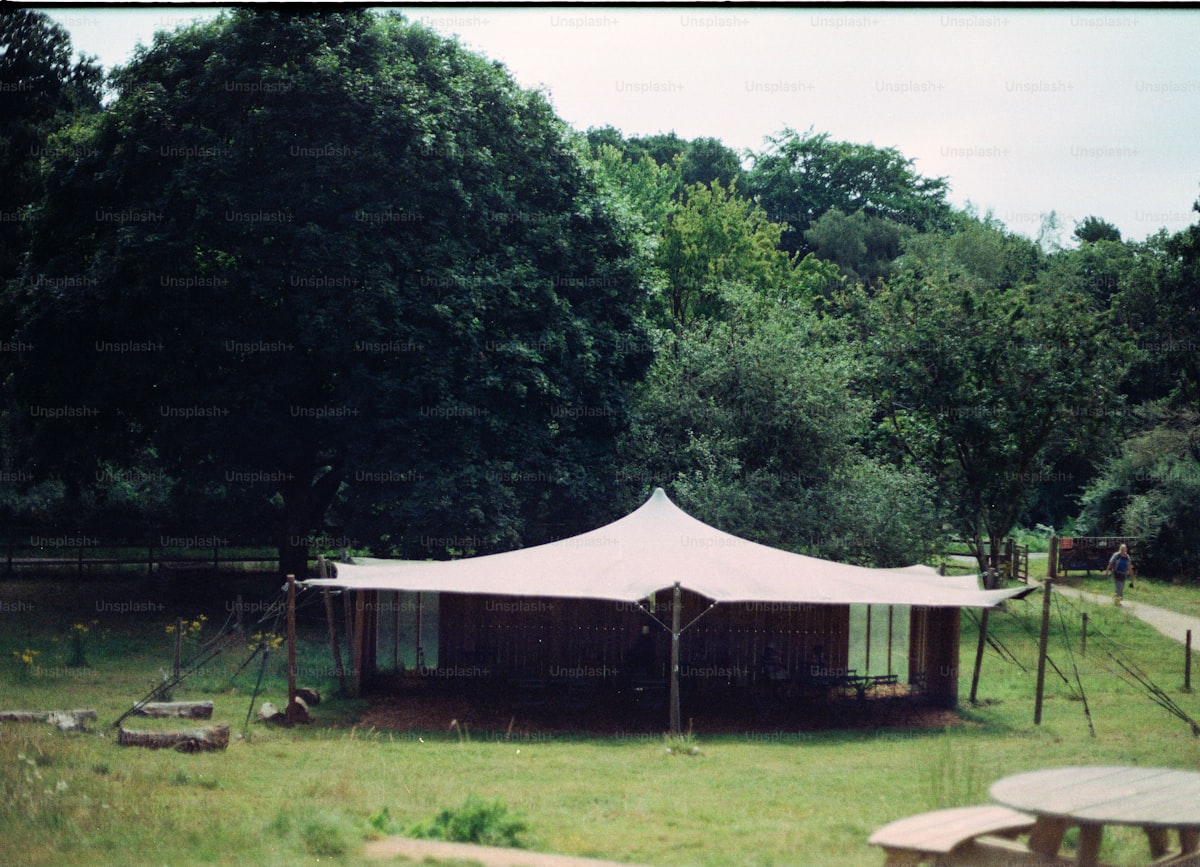
We protect equipment using weather-resistant covers, waterproof cases, and strategic positioning under tents or overhangs. Our mixing boards stay completely covered, with only essential controls accessible during operation. Speakers require protective housing that doesn't muffle sound quality while keeping rain out of drivers and electronics.
Cable management becomes especially important in wet conditions. Water can enter connection points, causing crackling, static, or complete signal loss. We use weatherproof connectors and tape all joints to prevent moisture infiltration. Ground fault circuit interrupters (GFCI) on all electrical connections provide additional safety protection when working in wet environments.
Humidity affects equipment even without visible rain. Montana's mountain valleys can experience sudden humidity changes that cause condensation inside electronics. We allow equipment to acclimate to temperature changes gradually and use moisture-absorbing products in sensitive gear cases.
Wind: More Than Just Microphone Feedback
Montana's notorious winds create multiple challenges for outdoor sound systems. Wind doesn't just cause microphone feedback – it can physically damage equipment, blow over speaker stands, and make wireless systems unreliable. We've seen 40+ mph gusts at venues like Rainbow Ranch and Big Sky Resort that required immediate equipment adjustments.
Speaker placement requires careful consideration of wind patterns. Lightweight speakers on tall stands become dangerous projectiles in strong winds. We use sandbags, ground spikes, and guy-wires to secure all equipment. Large format speakers often require repositioning to prevent wind from catching their surfaces like sails.
Microphone technique changes dramatically in windy conditions. Handheld mics need windscreens or foam covers to prevent wind noise from overwhelming speech. Lapel microphones perform better in wind than handheld options since they're closer to the speaker's mouth and somewhat protected by clothing.
At one ceremony near Flathead Lake, sustained 25 mph winds made traditional microphone placement impossible. We switched to a shotgun microphone positioned closer to the officiant and used directional speakers to focus sound on the seating area while minimizing wind interference.
Temperature Extremes and Equipment Performance
Montana's temperature swings affect sound equipment in ways many people don't consider. We've worked weddings ranging from 30-degree spring ceremonies to 100-degree summer receptions, and each extreme creates specific technical challenges that require different solutions.
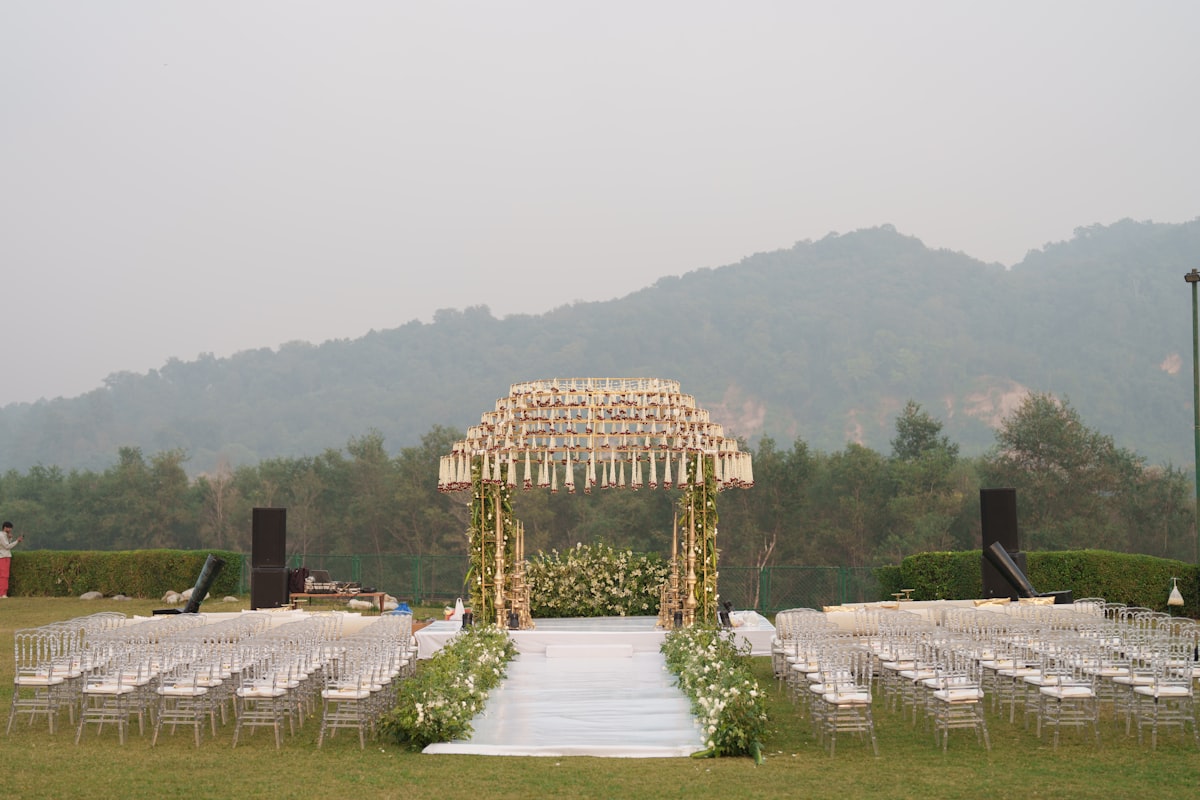
Cold weather reduces battery life significantly. Wireless microphones that normally run six hours might last only two hours in freezing temperatures. We carry extra batteries and keep spares warm in heated cases. LCD displays on mixing boards become sluggish or unresponsive in extreme cold, requiring warming periods before equipment functions normally.
Heat presents different problems. Direct sunlight can overheat amplifiers and cause automatic shutdowns to prevent damage. We experienced this firsthand during a 100-degree ceremony at a venue outside Whitefish when our iPad died mid-ceremony from heat exposure. Since then, we use sunshades and cooling fans for all equipment in hot conditions.
Thermal expansion and contraction affect cable connections. Cables can work loose as temperatures change, creating intermittent audio problems that are difficult to troubleshoot during events. We check all connections after significant temperature changes and use locking connectors where possible.
Altitude compounds temperature effects at venues like Big Sky Resort and higher elevation locations. Thinner air provides less cooling for electronic components, while lower air pressure can affect speaker performance. We adjust equalization settings and monitor equipment temperatures more closely at altitude.
Power Considerations in Challenging Weather
Weather conditions significantly impact power delivery to sound systems. Rain increases electrical safety concerns while wind can damage power cables or interrupt grid power. Cold weather reduces battery performance while heat can trip circuit breakers from increased electrical demand for cooling fans.
Ground fault protection becomes essential in any moisture conditions. All our outdoor setups include GFCI protection, but these safety devices can trip unnecessarily in high humidity or when equipment cases collect condensation. We carry backup GFCI units and know how to reset systems quickly without compromising safety.
Generator power requires special consideration during weather events. We learned this lesson when a generator wouldn't start 10 minutes before a ceremony, requiring a quick switch to battery power while troubleshooting the fuel system. Weather affects generator performance through fuel condensation, air filter clogging, and cooling system demands.
Battery backup systems provide insurance against weather-related power problems. Our wireless systems can operate independently for several hours, allowing ceremonies to continue even if main power fails. We size battery systems based on expected weather conditions and duration of outdoor events.
Cable routing must account for weather protection and safety. Overhead power lines can ice up and fall, while ground-level cables can be damaged by flooding or become trip hazards in emergency evacuations. We plan multiple power routing options for weather contingencies.
Venue-Specific Weather Challenges
Different Montana venues present unique weather-related audio challenges. Open properties like Chico Hot Springs face full weather exposure, while venues near mountains like Holland Lake Lodge deal with sudden weather changes and wind channeling effects. Understanding venue microclimates helps us prepare appropriate equipment and backup plans.
Lakefront venues like Flathead Lake Lodge create specific audio challenges. Water surfaces reflect sound waves, creating echo effects that worsen in certain weather conditions. Thermal inversion over water can bend sound waves, making audio seem louder or softer depending on atmospheric conditions. We adjust speaker angles and equalization based on weather patterns and time of day.
Mountain venues experience rapid weather changes that require quick adaptation. We've had ceremonies at Rainbow Ranch start in sunshine and face thunderstorms within 30 minutes. Our mountain wedding entertainment planning always includes weather contingencies and equipment that can be moved quickly.
Forested venues like those near Holland Lake Lodge present wind pattern challenges. Trees create turbulence and unpredictable gusts that affect equipment differently than open-field winds. We position speakers and microphones considering how surrounding trees channel and redirect wind flow.
Desert and prairie venues face extreme temperature swings and dust storms. Venues in eastern Montana can experience 40-degree temperature changes between afternoon setup and evening reception. We protect equipment from dust infiltration while ensuring adequate ventilation for cooling.
Real-World Weather Solutions from 500+ Weddings
Experience teaches lessons that no manual can provide. During a ceremony near Swan Valley, we encountered a sudden hailstorm that forced the entire wedding indoors in under three minutes. Having pre-positioned backup audio inside the lodge allowed us to continue without missing the vows. This taught us to always have indoor backup plans ready, even for venues that seem weather-protected.
At Double Arrow Lodge, sustained winds lifted tent stakes during a reception, requiring immediate equipment shutdown for safety. We now carry additional ground anchors and monitor weather conditions continuously during outdoor events. Wind meters help us make objective decisions about when conditions become unsafe for elevated equipment.
Weather monitoring has become an essential part of our pre-event planning. We use multiple weather sources and maintain contact with venue staff who understand local conditions. Mountain weather can change faster than forecasts update, so real-time observations from people familiar with the area provide better information than distant weather stations.
Equipment redundancy proves essential for weather reliability. We carry backup microphones, speakers, and mixing capability that can operate independently of main systems. When primary equipment fails due to weather, redundant systems allow events to continue with minimal interruption.
Protecting Your Investment: Weather Planning Tips
Couples planning outdoor Montana weddings should understand how weather affects sound system costs and reliability. Professional equipment and experienced operators cost more initially but provide reliability that budget options can't match when weather challenges arise.
Insurance considerations change for outdoor events with expensive audio equipment. Verify that your wedding DJ package includes adequate equipment insurance and understand liability for weather-related damage. Professional operators should carry comprehensive coverage for weather-related equipment loss.
Backup venue arrangements affect sound system planning significantly. Indoor backup locations may have completely different acoustic properties and power availability. We survey both primary and backup venues to ensure our equipment works effectively in either location without major changes.
Timeline flexibility becomes important for weather-dependent outdoor ceremonies. Having contingency plans that allow for weather delays or venue changes reduces stress and ensures better outcomes. We work with couples to develop realistic timelines that account for weather decision points.
Communication systems between wedding parties, vendors, and venues prove essential during weather events. When conditions change rapidly, coordinated responses work better than individual reactions. We maintain radio contact with other vendors and venue staff to coordinate weather responses effectively.
Montana's diverse weather conditions create unique challenges for outdoor wedding sound systems, but proper planning and professional equipment handle most situations successfully. Understanding how different weather elements affect audio equipment helps couples make informed decisions about outdoor wedding entertainment.
Ready to ensure your outdoor Montana wedding sounds perfect regardless of weather conditions? Our team brings the experience, equipment, and backup plans necessary to handle any weather challenge Montana can deliver. View our weather-ready wedding packages and let's discuss how we can make your outdoor celebration sound amazing, rain or shine.
Montana Wedding Entertainment — wedding DJ, MC, lighting and photo booth across Montana. Call 406-396-8499 or get an instant quote.