What Is the Best Time of Year for a Montana Wedding?
There's no single best season to marry in Montana — just trade-offs. Here's what summer, fall, spring, and winter each give you, and when to lock in your date.
Last June we had a wedding booked at a ranch outside Livingston where the morning started at 74 degrees and clear, and by 4 p.m. — right as the ceremony was supposed to begin — we were taping a rain cover over the speakers while golf-ball hail came down sideways. The couple ended up saying their vows in the lodge lobby. They told us afterward it felt more intimate that way. That's Montana. The weather here has opinions, and your wedding date is the first conversation you'll have with it.
So when couples ask us what the best time of year is to get married in Montana, we never give a one-word answer. There isn't one. But after 500-plus weddings across this state — from Flathead Lake to Big Sky to the Bitterroot — we've got strong feelings about what each season actually gives you and what it takes away.
Summer Is King in Montana — and Everybody Already Knows It
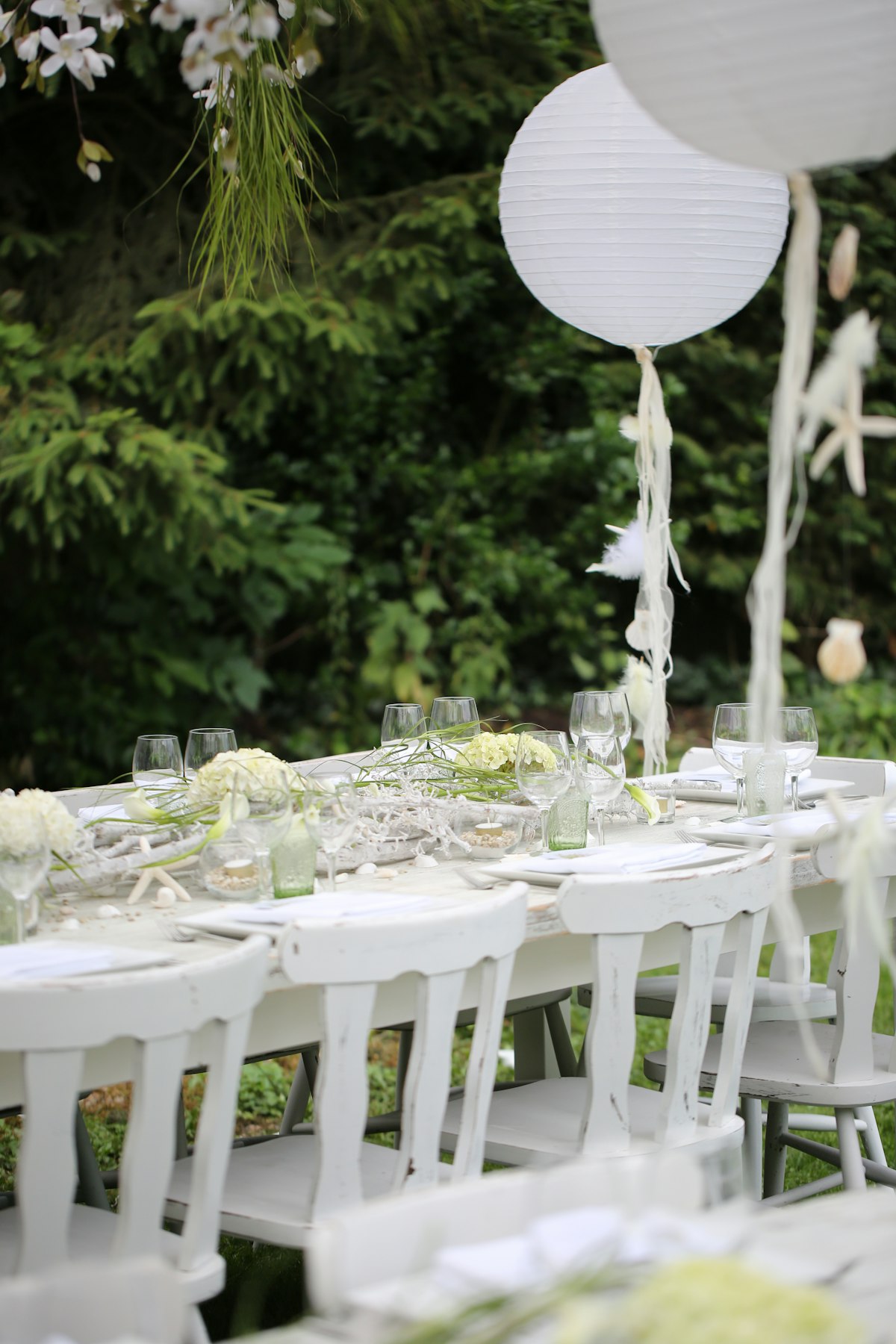
July and August are the safe bet. The weather is the most cooperative it'll be all year, the days run long (sunset hangs around past 9 p.m. in mid-summer, which photographers love), and the whole state turns into the version of Montana people see on postcards. Wildflowers in the high meadows, lakes warm enough to swim, mountain passes clear of snow. If you want the classic outdoor Montana wedding, this is when it happens.
Here's the catch, and it's a big one: so does everybody else's. Peak summer is when venues, photographers, caterers, and yes, DJs book out first. We've had Saturdays in July claimed eighteen months ahead. Last summer we ran three weddings in a single weekend — a barn in Whitefish on Friday, a lakeside ceremony at Flathead on Saturday, and a mountaintop elopement near Big Sky on Sunday — and put over 400 miles on the truck doing it. That's how packed the calendar gets. If you've got your heart set on a specific Saturday in July or August, you need to be locking in vendors a year out, sometimes more. We get into the specifics of that timing in our guide on how far in advance to book Montana wedding vendors.
The other thing nobody warns you about: summer heat is real out here, and it can wreck an outdoor setup faster than rain. We did a wedding one July where it hit 100-plus degrees, and the iPad running our music library overheated and shut itself off mid-set. The backup laptop started thermal-throttling so badly it was skipping tracks. Now we bring shade canopies specifically for the gear at hot-weather weddings, plus pre-loaded backup devices. If you're getting married in the dead of summer, ask every outdoor vendor how they handle heat — not just rain.
Why We Quietly Push a Lot of Couples Toward September
Honestly? September might be our favorite month to work a Montana wedding, and we'll tell couples that directly when they ask.
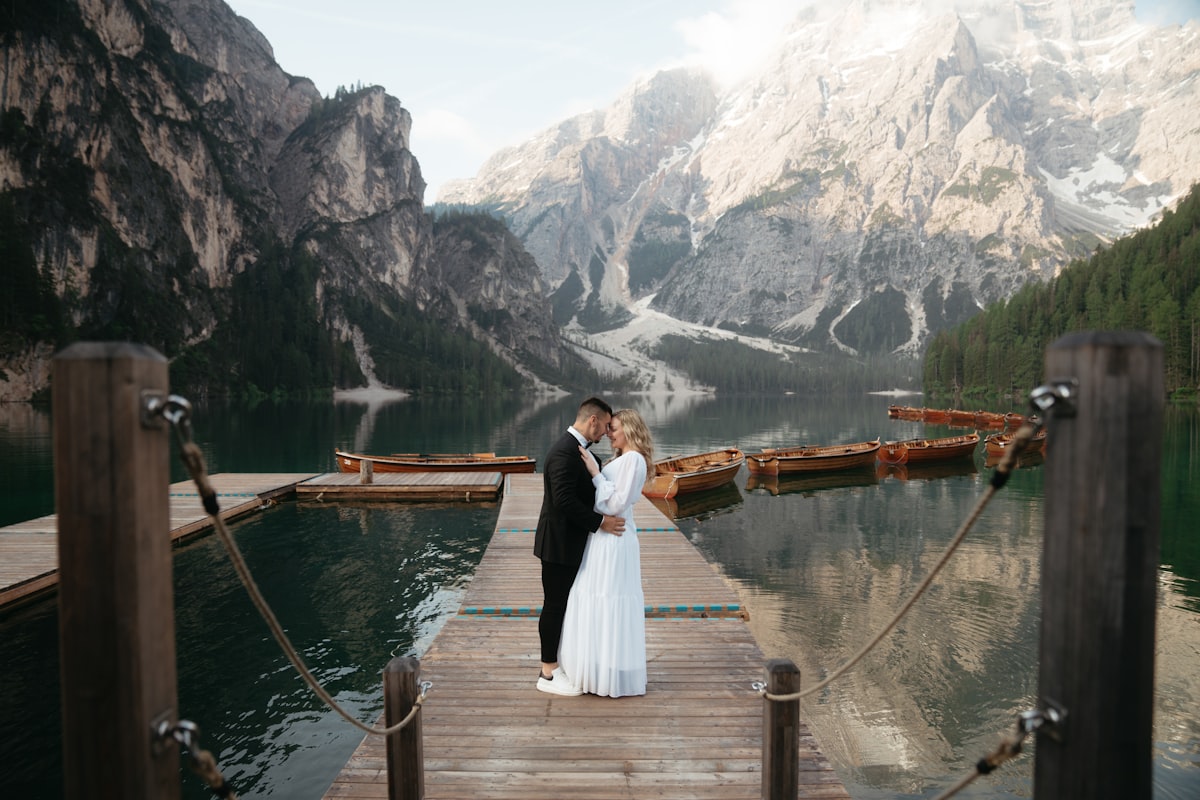
The crowds thin out. The smoke from wildfire season usually clears by mid-month (more on that in a second). Days are still warm but the brutal afternoon heat backs off, and the light gets that low golden quality that makes everything look better — your photos, your venue, the mountains behind you. The aspens haven't fully turned yet but they're starting, so you get hints of color without committing to full-on fall risk.
Venues are often a touch more available in September than peak summer, and some will price a September Saturday a little softer than a July one. Not always, but it's worth asking. We synced a fireworks send-off to the last song of a September wedding near Bozeman a couple years back — timed the finale to the final chorus — and because Montana has that much open sky, we could actually do it without a single neighbor to worry about. Those moments land differently when the night air is cool and the crowd isn't melting.
One caveat on early September: wildfire smoke. Montana's fire season can drag into the first week or two of the month, and a bad smoke year can turn a blue-sky forecast into a hazy orange one with almost no warning. It doesn't happen every year, and it's regional — a fire near Missoula doesn't necessarily affect Paradise Valley. But if you're booking early September, build a little mental flexibility into your outdoor plans, the same way you would for rain.
Late Spring: Green, Cheaper, and a Real Gamble on Weather
May and early June are the wild card. When it works, it's gorgeous — everything's green, the rivers are full from snowmelt, the hills are alive in a way they won't be again until next year. Venues are hungrier for bookings, so this is one of the better windows for couples watching their budget. If you're trying to keep entertainment costs in check, pairing a shoulder-season date with a smart package is a good move; we break down the real numbers in our post on how much a wedding DJ costs in Montana.
But spring weather here is a coin flip, and the coin lands on "cold and wet" more often than couples expect. We've worked late-May weddings where guests were in sundresses, and others where it snowed. Actual snow. In May. The ground at a lot of outdoor venues is still soft from snowmelt, which matters more than people realize — that "rustic" field you fell in love with can be a mud pit, and the gravel-lot, 200-yard-carry load-in we've done at more than one barn becomes a genuine ordeal when it's soaked.
If you go late spring, our honest advice is to treat the outdoor plan as a hope and the indoor plan as the plan. Tent with sidewalls, or a venue with a real indoor option you'd actually be happy using. We get deep into this in our breakdown of what backup plans you need for weather at a Montana outdoor wedding, and it's worth reading before you commit to a spring date outdoors.
October and the Day the Weather Just Turns
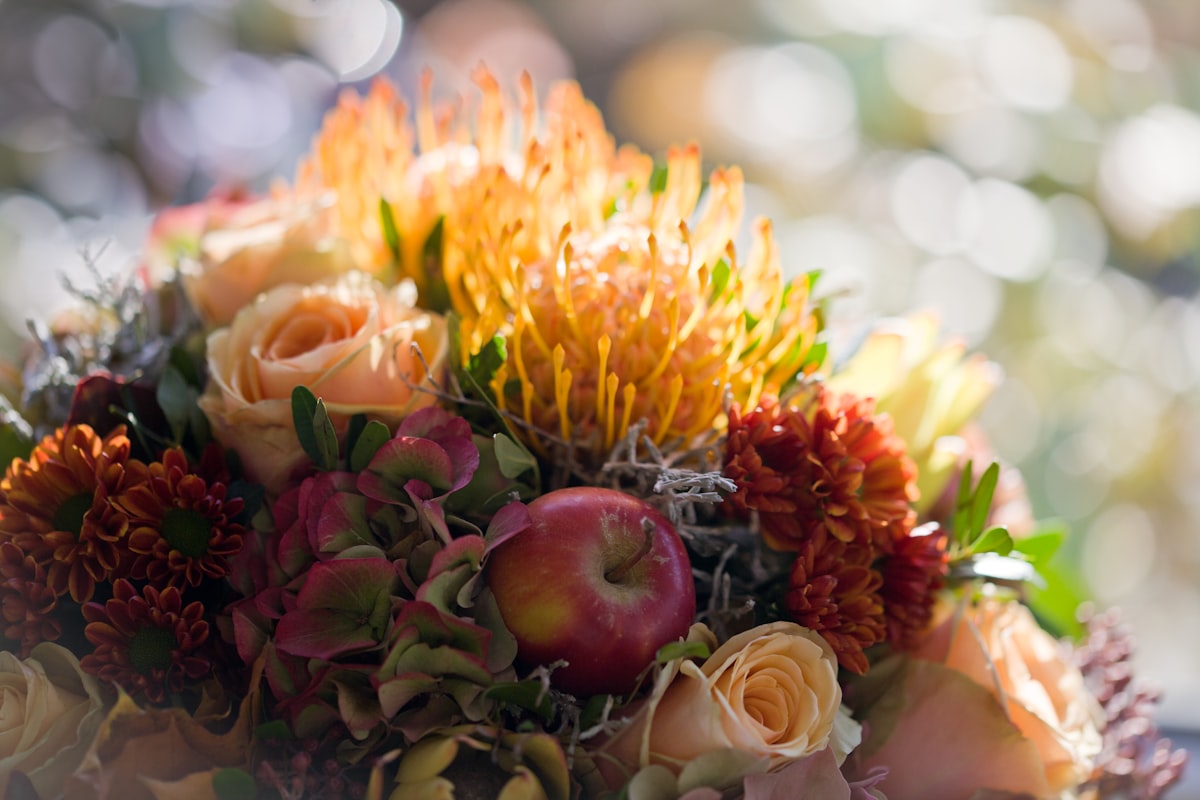
Early October can be one of the prettiest times to get married in this state. The aspens and cottonwoods go full gold, the larches up high turn that unreal yellow-orange, and you get crisp, clear days that photograph like a dream. We've done October weddings outside Whitefish with the dance floor under trees dropping gold leaves all night, and there's nothing else like it.
The risk is timing. There's usually a day — sometime in mid-to-late October, and it's different every year — where Montana stops pretending it's fall and remembers it's almost winter. Temperatures drop, the first real snow shows up in the mountains, and that warm outdoor reception you pictured needs heaters and walls. If you're booking October, the front half of the month is a much safer bet than the back half, and you'll want a venue that can pivot indoors without it feeling like a downgrade. Uplighting earns its keep here, too — when the sun sets at 6:30 and your reception's running into a cold dark night, warm lighting is what turns a chilly room into something that feels like a party. We covered the why and the cost of that in our piece on whether uplighting is worth it.
Winter Weddings: Underrated If You Plan Around the Snow
Most couples write off winter without thinking about it, and we get why. But a Montana winter wedding done right is one of the most striking things you can pull off. Snow-covered peaks, a cozy lodge, string lights, everybody warm inside with a drink while it comes down outside the windows. Ski-town venues like the lodges around Big Sky and Whitefish lean into it, and you'll often get the best rates and the most vendor availability of the entire year because you're not competing with summer's crowd.
The trade-offs are exactly what you'd guess. Travel gets harder — for you, your guests, and your vendors. Mountain passes close, flights get delayed, and a December storm can scramble everyone's plans. If a good chunk of your guest list is flying in, winter raises the degree of difficulty, and it's worth giving them extra lead time and clear directions; we put together some thoughts on that in what to tell out-of-state guests traveling to your Montana wedding. Keep the ceremony indoors or very short if it's outside, plan for early sunsets, and accept that an outdoor first look in single digits is a quick one.
For entertainment, winter actually simplifies a lot. We're almost always indoors, on grid power, in a controlled space — none of the generator, heat, or wind problems that come with a summer field. The flip side is that everything happens after dark, so lighting does more of the heavy lifting to set the mood.
How the Season Quietly Changes What Your Entertainment Needs
People don't usually connect their wedding date to their DJ setup, but the two are tied together more than you'd think, and a season mismatch is exactly the kind of thing a pro catches and a buddy with a laptop doesn't.
Summer outdoor weddings at remote venues mean power and heat planning — generators, shade for the gear, battery backups. We've had a generator refuse to turn over ten minutes before a ceremony at a venue with no grid power, 150 guests waiting, and got it running with two minutes to spare. Now we always carry a backup unit. Wind is the other summer gremlin: at an outdoor ceremony at Big Sky one year, gusts hit 30-plus mph right as the bride started down the aisle, and we were glad we'd sandbagged the speaker stands that morning. The couple beside us with a different vendor had their arch blow flat over.
Fall and winter flip the equation — less weather chaos, more emphasis on lighting and indoor sound, earlier timelines because of the early dark. Spring is the unpredictable middle, where you genuinely might be planning for both at once. The short version: tell your DJ your date and your venue early, because the right answer for a July meadow is not the right answer for a December lodge. If you want the full rundown of what goes into an outdoor setup specifically, we wrote a whole guide on planning entertainment for an outdoor mountain wedding in Montana.
Booking Windows: When to Actually Lock In Your Date
The season you choose decides how fast you have to move. For a peak-summer Saturday — say, anything from mid-June through early September — the best venues and vendors are gone twelve to eighteen months out. We're not saying that to scare you into booking early. It's just the reality of a state where the prime wedding window is genuinely short and demand is concentrated into it.
Shoulder seasons buy you more room. A September or early-October date you can often pull together in six to nine months. Spring and winter dates sometimes come together even faster, because you're swimming against the current of what most couples want. If your timeline's already tight, don't panic — but do move on the date and the venue first, since those constrain everything else, then lock entertainment right after.
One pattern we'll mention because it surprises people: about 70% of our couples end up choosing the package with uplighting once they see what it does to a barn or lodge. That's a year-round truth, but it matters more in the shoulder and winter seasons when the party's happening after dark. Worth factoring into your budget no matter when you marry.
So When Should You Actually Get Married in Montana?
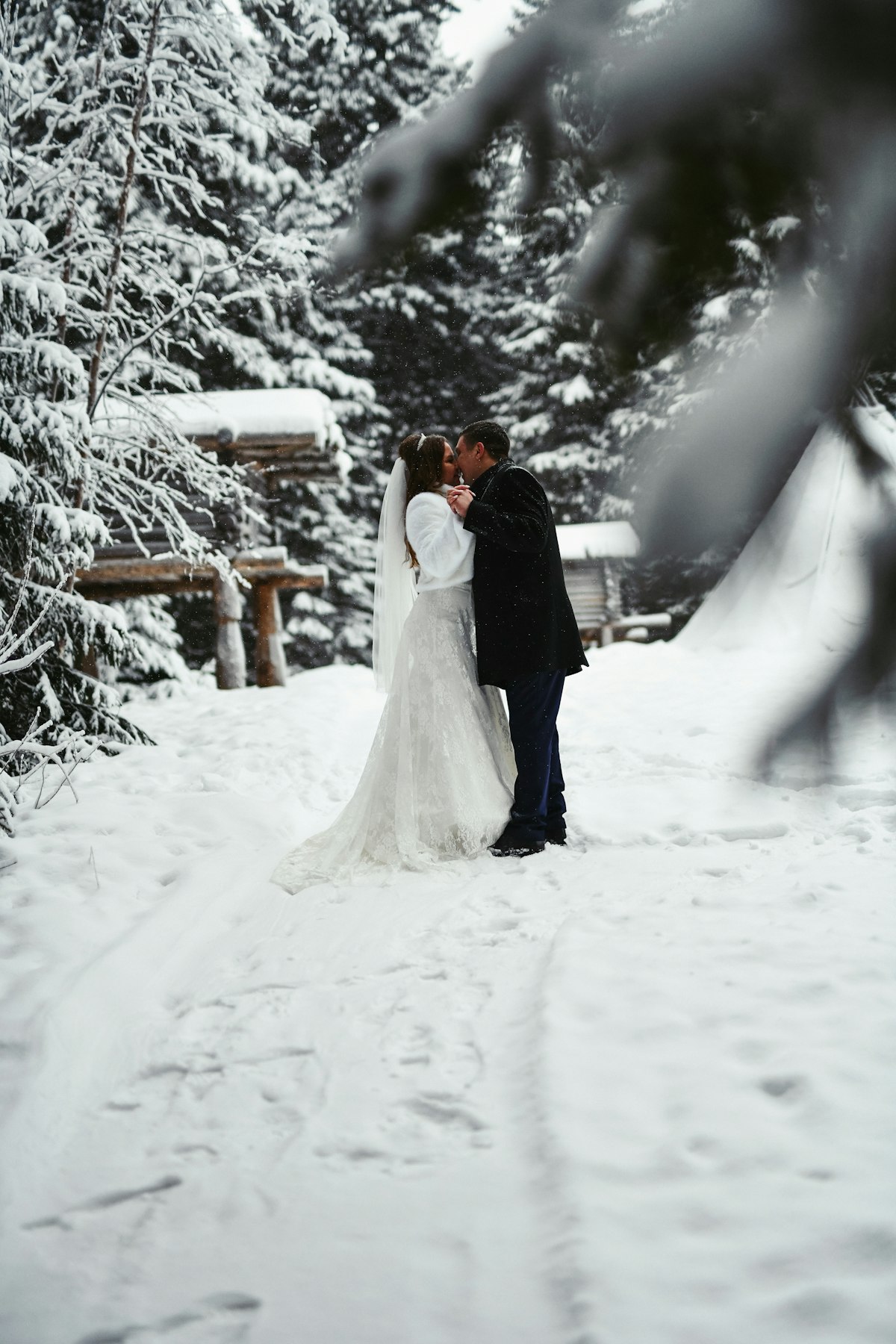
If you want the surest weather and the full Montana-summer experience, and you're willing to book early and pay peak rates, go July or August. If you'd rather have better light, thinner crowds, and a softer price tag — and you can handle a small smoke or early-frost risk — September is the sweet spot, and it's the one we'd personally pick. Spring is for budget-minded couples who treat the indoor plan as the real plan. October's first half is a gamble that pays off beautifully when it lands. And winter is the quiet contender for couples who want something different and don't mind playing logistics.
There's no wrong season here, just trade-offs you should walk in with your eyes open about. Pick the date that fits the wedding you actually want, then build the plan — and the backup plan — around it. That's the part we can help with. We've worked every season this state throws out, in every kind of venue, and we'll tell you straight what your date means for your day.
Ready to see what's still open for your season? Take a look at our packages and pricing, and let's find the right fit for your Montana wedding.
Montana Wedding Entertainment — wedding DJ, MC, lighting and photo booth across Montana. Call 406-396-8499 or get an instant quote.