What Questions Should I Ask a Wedding DJ Before Booking?
After 500+ Montana weddings, we've learned that the right questions separate okay DJs from exceptional ones. Here's exactly what to ask before you book—and why each answer matters more than you think.
You've probably already stalked their Instagram, watched their reels, and scrolled through reviews. But a wedding DJ interview isn't just about confirming they know the difference between Ed Sheeran and Sheeran Flanagan. It's about discovering whether they can handle a sudden hailstorm that forces your ceremony indoors at Rainbow Ranch in three minutes flat, or keep the party going when a bartender trips over a power cord during your first dance.
We've seen both of those scenarios—and about 498 others—over the years. The questions you ask before signing a contract reveal whether your DJ is truly prepared for Montana's unique wedding challenges, or just winging it with a Spotify playlist and crossed fingers.
Here's what you actually need to know.
What's Your Backup Plan If Something Goes Wrong?
This isn't pessimism. It's Montana.

We were setting up for a ceremony outside Whitefish when the generator decided it wasn't interested in starting. Ten minutes before the processional. The couple had asked us during their consultation what happens if equipment fails, and we'd walked them through our redundancy systems. Backup generator in the trailer. Secondary power sources. Extra cables. The whole thing.
That conversation meant they stayed calm while we switched to our backup system and got everything running with four minutes to spare. They trusted the process because we'd already explained it.
Ask any potential DJ what happens when things fail. Not if—when. Because at remote Montana venues, things fail. Weather changes plans. Power goes out. Technology quits. We've had the power go out twice in one night at Chico Hot Springs. We've watched wind lift tent stakes at an outdoor reception. We've had an iPad die in 100-degree heat mid-set.
The right answer includes specific equipment redundancies, backup playlists on multiple devices, alternative power sources, and a calm demeanor that suggests they've actually used these backups before. If they look confused or say "that's never happened," they haven't done enough weddings yet.
Have You Worked at My Venue Before?
Venue experience matters differently in Montana than it does in cities with cookie-cutter ballrooms. A barn outside Whitefish where we haul equipment 200 yards from the parking area requires different planning than The Loft at Whitefish with elevator access. Knowing a venue's quirks saves your timeline and your sanity.
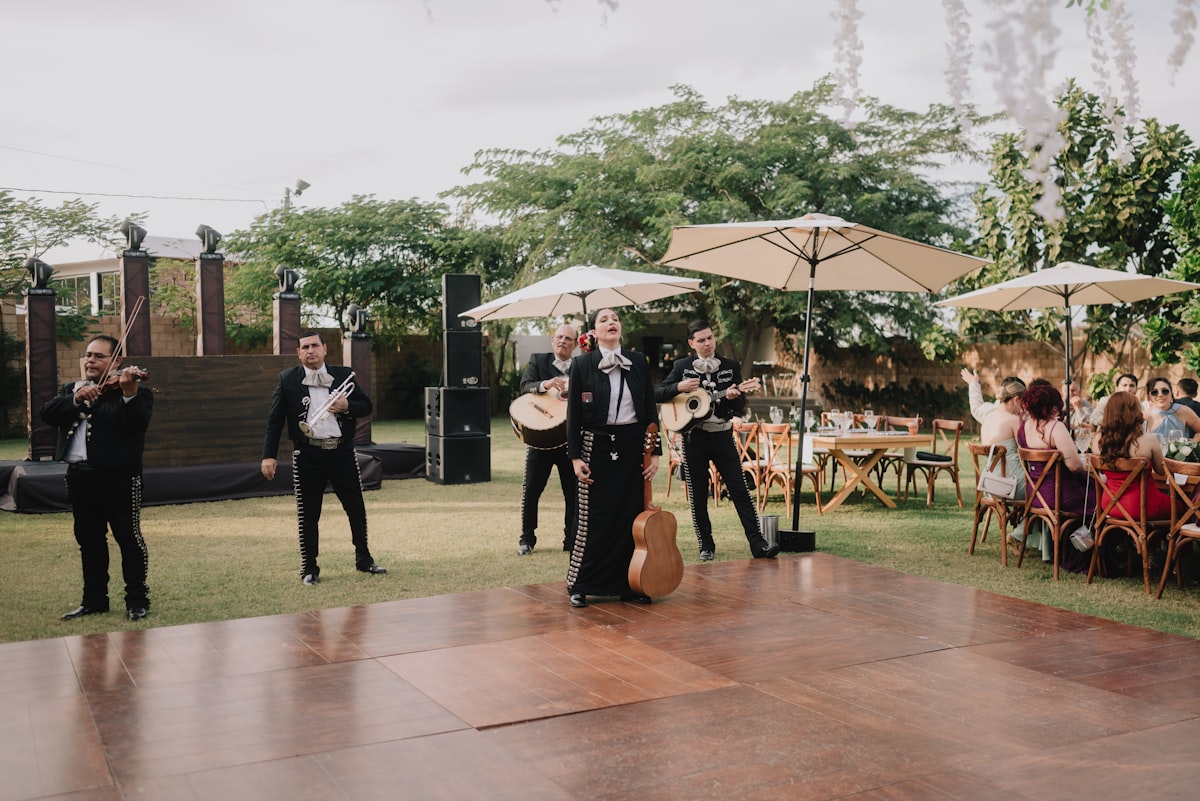
We know that Double Arrow Lodge has specific noise restrictions after 10 PM. We know that certain spots at Flathead Lake Lodge get zero cell service, so our planning can't rely on streaming or last-minute communication. We know which outlets at Big Sky Resort are on which circuits, so we don't blow a breaker when the caterer plugs in their warming trays.
This knowledge comes from being there. From making mistakes and fixing them. From learning that Holland Lake Lodge's acoustics behave completely differently than Clearwater Springs, even though they're both beautiful timber structures.
If your DJ hasn't worked your venue, ask what their site visit process looks like. Will they visit beforehand? Will they contact the venue coordinator? How will they learn about power sources, load-in procedures, noise restrictions, and acoustic challenges? The answer should be detailed and proactive, not a shrug and "we'll figure it out."
You can also check out our thoughts on Montana's best barn and ranch venues if you're still deciding where to get married.
How Do You Handle Music Requests and Planning?
We once had a bride change her playlist six times. Not six songs—six complete overhauls of the musical direction. And you know what? The reception was perfect because we'd built a planning process that could handle her evolving vision.
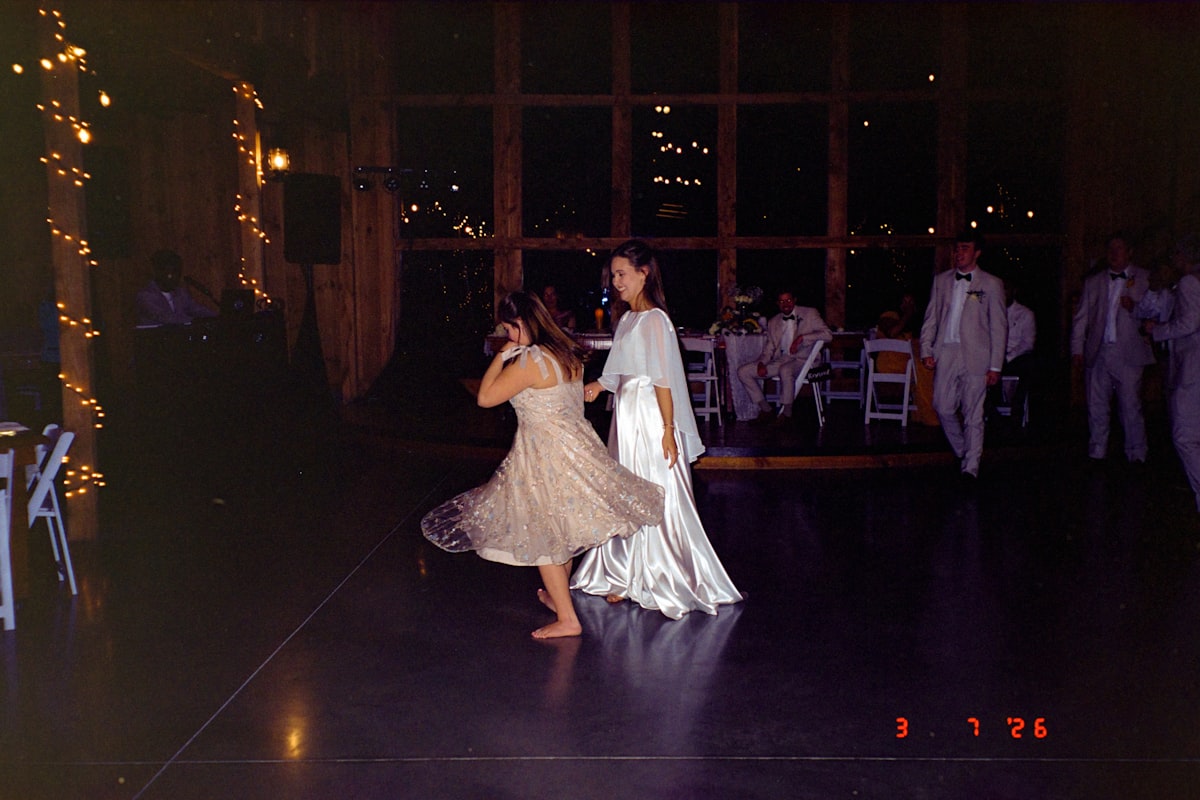
Some couples know exactly what they want. Others just know they don't want the Chicken Dance. Both are fine, but your DJ needs a process that works for your planning style.
Ask how they collect your preferences. Is it a single email two weeks before? A detailed questionnaire? Multiple planning calls? Do they offer a music consultation, or do you just check boxes on a form? How do they handle must-play songs versus do-not-play lists? What happens if Grandma requests something that's definitely not your vibe?
The planning process should feel collaborative, not like homework. We use a combination of detailed questionnaires, phone consultations, and an online portal where couples can add songs anytime inspiration strikes at 2 AM. Because that's when you'll remember that you absolutely must walk down the aisle to that specific version of that specific song.
Also ask about reading the room. A good DJ doesn't just play your list—they watch the dance floor and adjust. They notice when your college friends want throwback hip-hop and when your parents' friends need a slow song break. What a DJ actually does extends far beyond pressing play.
What Equipment Do You Use and What's Included?
This question sounds technical, but it's really about whether you'll actually hear your vows at an outdoor ceremony or whether your 200 guests will be straining to catch every third word.
Montana outdoor weddings have specific sound challenges. Wind. Distance. Lack of walls to reflect sound. We've done ceremonies where the couple is 50 feet from the nearest guest, with mountains behind them and a breeze coming off the lake. The right sound system makes the difference between intimate and inaudible.
Ask what speakers they use for ceremonies versus receptions. Are microphones wireless? How many do they bring? What happens if someone forgets to turn theirs on—or off—during a private moment? Do they provide sound for cocktail hour, or does your timeline include awkward silence while guests grab drinks?
For Montana weddings, also ask about weather protection for equipment. Electronics and sudden rainstorms don't mix well. Your DJ should have covers, shelters, and contingency plans.
And here's one couples forget: what about ceremony sound at remote locations? If you're getting married at a spot near Glacier National Park with specific noise restrictions, your DJ needs to know how to deliver clear sound without violating park rules.
Equipment should also include appropriate lighting. We're not talking about turning your rustic barn into a nightclub, but proper uplighting transforms spaces. Ask what's included in packages and what costs extra. Speaking of packages, about 70% of our couples choose our Glacier package because it includes ceremony sound, reception DJ services, and basic lighting—everything most Montana weddings actually need.
What's Your Experience Level and How Many Weddings Have You Done?
Numbers matter, but context matters more. Someone who's done 500+ weddings in Montana understands things that someone with 50 weddings in hotel ballrooms doesn't. Not better or worse—just different.
Montana weddings include scenarios most DJs never face. We've played at a reception where a bear wandered near the tent. (We played "The Bear Necessities," because how could we not?) We've navigated three weddings across one weekend spanning 400 miles of Montana highways. We've worked in Swan Valley where there's zero cell service, so every detail had to be planned in advance with zero ability to stream backup music or communicate last-minute changes.
Ask not just how many weddings they've done, but what weird situations they've handled. The stories reveal their problem-solving skills and whether they panic or adapt. If they can't think of a single time something went sideways, they're either incredibly lucky or incredibly inexperienced.
You might also ask about their work outside weddings. Andrew, our owner, has worked with Paramount, Kevin Costner, Harrison Ford, Usher, Tech N9ne, and even a Friends cast member over the years. That experience with high-pressure events and professional productions influences how we approach wedding entertainment. Not every DJ needs that background, but some level of professional experience beyond backyard parties helps.
If you're wondering whether experience justifies cost, we wrote about what 500+ Montana weddings taught us about value versus price.
Are You Available for My Date and What Does Booking Look Like?
This seems obvious, but dig deeper than "yes, we're available." What does their booking process involve? How far in advance do Montana couples typically book? What's the deposit structure? What happens if you need to change your date?
Montana's wedding season is intense but short. Peak season—roughly June through September—books quickly, especially for popular Saturday dates. How far in advance to book depends on your date and flexibility, but we generally recommend 12-18 months for peak season weekend weddings.
Ask about their cancellation and postponement policies, too. We all learned during 2020 that flexibility matters. What happens if you need to move your date? Are deposits transferable? Is there a rescheduling fee?
Also confirm who actually shows up. Will you work with the owner, or will they send an associate? There's nothing wrong with team members, but you should know who you're getting and have a chance to meet them. The person you vibe with during the consultation should be the person who shows up on your wedding day.
If your timeline is tight, you might wonder if quality DJs are still available close to your date. Sometimes yes, sometimes no—depends on the season and their calendar.
What Are Your Pricing and Package Options?
Let's talk money. Not because it's fun, but because you need clear answers before you fall in love with a DJ you can't afford—or before you book someone cheap and discover what corners they cut.
Wedding DJ pricing in Montana varies based on experience, equipment, travel distance, and what's included. Some DJs charge a flat rate. Others have tiered packages. Some include everything from engagement party playlists to late-night after-party sets, while others charge separately for ceremony sound, extra hours, and travel.
Ask for a detailed breakdown. What's included in the base price? What costs extra? Is travel included or calculated separately? We wrote a whole guide about travel and mileage fees because it's one of the most common surprise costs couples encounter.
Montana's geography means your DJ might drive several hours to reach your venue. That's normal here, but it should be discussed upfront. Some DJs include travel within a certain radius and charge beyond that. Others build travel into their pricing. Neither is wrong, but you should know what to expect.
Also ask about add-ons. Want to include a photo booth? Interested in upgraded lighting? Planning a sparkler exit or fireworks finale that needs music coordination? Some DJs bundle services, others refer you elsewhere. Knowing your options helps you plan your complete entertainment budget.
For transparent pricing information, check out our package details and rates. We believe in clear numbers from the start, so you can make informed decisions without surprises later.
Can You Provide References or Show Me Full Wedding Videos?
Instagram highlights are great, but they're 15-second moments. You want to see how a DJ handles full events. How do they manage transitions? What's their microphone presence during introductions? How do they keep energy going during dinner when half your guests are eating and half are ready to dance?
Ask for references from recent weddings, especially weddings similar to yours. If you're planning a rustic barn wedding at a remote Montana venue, a reference from a couple who got married at that type of location matters more than one from a hotel ballroom wedding.
Call those references. Ask what went well and what could've been better. Ask if the DJ showed up on time, if they were professional, if they adapted when plans changed. You'll learn more from a five-minute conversation with a past client than from an hour of scrolling polished social media posts.
Also check their online reviews across multiple platforms. Google, WeddingWire, The Knot—read the detailed reviews, not just the star ratings. What do people consistently praise? What occasional complaints appear? Every business gets an odd negative review, but patterns tell you what to expect.
You can see some of our work in our gallery, and we're happy to connect you with recent couples who've worked with us at venues like yours.
What Happens the Week of the Wedding?
The final week before your wedding is chaos. You're confirming vendor timelines, finalizing seating charts, wondering if you really need to steam your dress again, and trying to remember if you assigned someone to wrangle your ring-bearer dog. (Yes, we've done a wedding with a ring-bearer dog. It went exactly as adorably chaotic as you'd imagine.)
Your DJ should have a clear process for this week that doesn't add to your stress. Ask what their final communication looks like. Will they reach out to confirm details? Do they coordinate directly with your venue and other vendors? What time will they arrive? Where will they set up? What do they need from you versus what they'll handle independently?
We typically do a final confirmation call about a week before the wedding, then coordinate directly with the venue and other vendors about timing and logistics. On the wedding day, we arrive early enough to set up, test everything, and be ready well before guests arrive. Couples should be focused on getting married, not wondering if the sound system is ready.
Ask about their day-of timeline management, too. Your DJ often acts as an informal coordinator, keeping the reception moving from introductions through last dance. How do they handle this? Do they stick rigidly to a timeline or adjust based on how the evening flows? We've had grooms crowd-surf—which definitely wasn't on the timeline—and you need a DJ who can roll with those moments while still keeping the overall evening on track.
Ready to Book Your Montana Wedding DJ?
The right questions help you find a DJ who's more than a playlist manager. You're looking for someone who can handle equipment failure with calm efficiency, who knows your venue's quirks, who reads your guests and adjusts the music, and who brings backup plans for the backup plans.
After 500+ weddings across Montana—from intimate elopements near Glacier to 300-person celebrations at Big Sky Resort—we've learned that preparation and experience make the difference between a good reception and an unforgettable one. We've synced fireworks to final songs, kept music going through power outages, and yes, played "The Bear Necessities" when wildlife crashed the party.
We've also learned that the best client relationships start with honest conversations. No question is too detailed or too weird. If you're wondering about something, ask it. The answers tell you everything you need to know.
Want to discuss your specific wedding plans and how we can help? Check out our pricing and packages to see what fits your vision and budget, or reach out through our contact page to start a conversation. We'd love to hear about your Montana wedding plans—and answer whatever questions you've got.
Montana Wedding Entertainment — wedding DJ, MC, lighting and photo booth across Montana. Call 406-396-8499 or get an instant quote.